Observing Old Age

daddy-with-dog

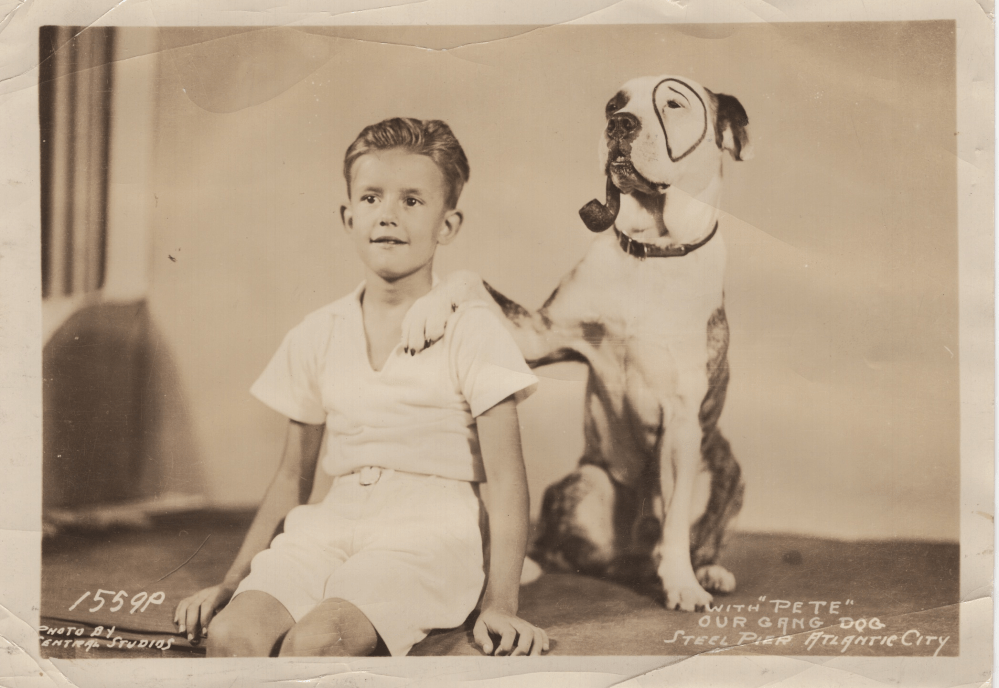
Dad — Age 7 with Pete from Our Gang, Atlantic City — 1936

My dad thinks he’s James Bond. His Honda Accord license plate reads ‘007’. He’s 88 and uses a cane except when he forgets it because he’s feeling more like he used to at 80. I’ve learned over the past year to see my dad as a man who is finding his way on this last part of the trek, this last adventure that is his personal Mt Everest. It’s tough to get old and sick and lose your physical power. It’s hard to watch your parents age.

They aren’t the parents you grew up with. In many ways, they’re strangers who you’re getting to know all over again. Some say we children switch places and become the parents. For me it hasn’t been that simple. My dad is still my dad in some familiar ways. He still calls and gives me instructions and advice. Sometimes he makes a joke, something he used to do all the time.

And yet, my dad is not my dad. He isn’t as light and funny as he was for the first sixty years I knew him. He complains a lot about the food and service at his upscale retirement community, about the many doctors and medical persons he sees every week, about his lack of energy and general shittiness, although he would never uses that word. He’s mostly miserable and before he wasn’t.

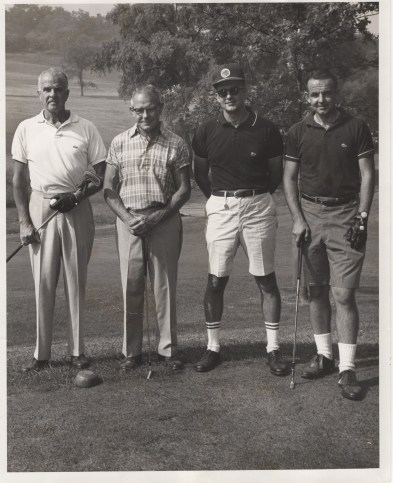
dad-in-his-forties-only-one-in-hat-and-sunglasses

Dad in sunglasses, age 45

Cancer sucks at any age. Even when you’re old and figure you’ve got to get something before you go. It’s tough to watch; it’s tough to stay afloat whether you’re the sick or the well one. It’s impossible to find a pattern or routine in illness. It’s guaranteed to take you on a helluva ride. A ride you can’t control or stop or manage or laugh at (except sometimes).

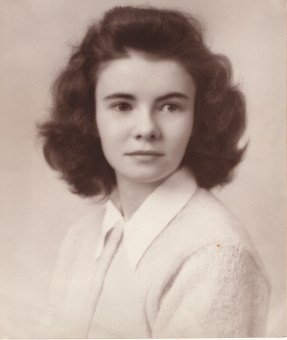
mom-age-14

Mom –age 14

My mom died three years ago at 85. She went from playing 18 holes of golf to dying in 4 short horrible months. My mother said good-bye to each of us. She looked us in the eye. She wrote us letters. She said she was ‘ready to go’. From beginning to end, she was totally aware of where she was and what she wanted. She made it as easy as something heart-breaking can be.

My dad’s a fighter. He blocks anything that he doesn’t want to see. When he was diagnosed with blood cancer six years ago, he never told anyone including himself. It worked. He’s survived two years longer than most. He never spoke of being terminally ill or being at the end of his life until a few months ago. And when he does speak of it, he is scornful and       angry that his life has come to this. He can’t believe it.

My dad wakes up every day and thinks about how he can stay, not leave. He makes daily phone calls to doctors and physical therapists asking how he can feel better not worse. He doesn’t like to use a walker; it makes him think he’s old and sick like most of the people he lives with.   His days revolve around calling and visiting doctors’ offices and contacting business offices, even though I now take care of managing and paying the bills. He’s a man on a mission who takes a nap every afternoon so he’s ready to go out most evenings with his friends. He complains. He’s laser-focused on himself. He won’t stop fighting until he can’t swing another punch.

My observations thus far? You can get old and sick peacefully or not. You can decide whether to accept your reality or create another. In the end, you can be grateful or ungrateful. You can focus on yourself or others. You can complain or find the positive. We decide how we want to go. We even decide whether we want to know we’re going.

Old age is hard. Old age and illness even harder. Can we make this last journey the way we want to? Yes and no. Maybe and maybe not. It all depends.     

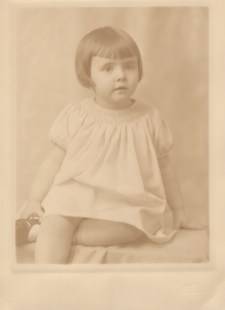
mom-age-3-copy

Mom — Age 3

mom-and-dad-revised-college-years-copy

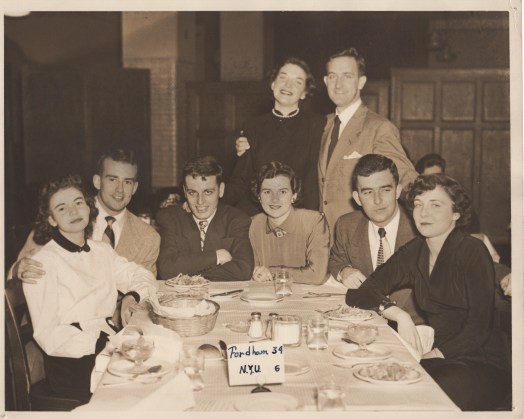
Mom and Dad — Far left couple, college years

revised-mom-and-dad-age-25-with-me-copy

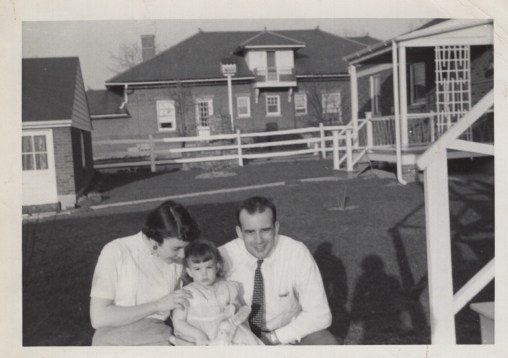
Mom, Dad, and Me

mom-and-dad-revised-high-school-sweethearts-copy

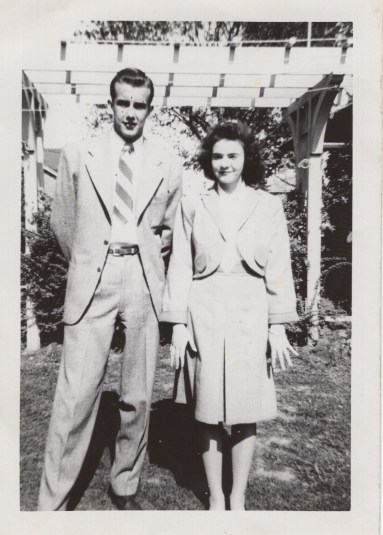
Mom and Dad — High School Sweethearts

Packing Up

img_0545

Paul Avenue

Everything was old and tired and worn. The chintz on the wingback armchairs was split and the green background in places had faded to near white. The small Art Deco vase that had sat forever on the Queen Ann table was chipped. The off white silky drapes hung limp; gray dust shadowed their folds. The house smelled old and empty and untended.

I sighed and thought how everything in my childhood home looked exactly as it had 35 years ago, only totally spent. It was surreal. It was strange. And, it was weird. It looked as if my parents had up and left one day leaving everything in its place, as if they would return in a short time. They didn’t.

My mom had died two years earlier. My dad was in their Florida condo and was too ill to help me. He said even if he was well, he just couldn’t bear to do it.

I was there to pack up.  I felt the hook in my chest, the tension headache coming on, so I breathed in deeply and exhaled slowly, just like I do when I’m practicing yoga. Packing up. Packing up, I kept thinking. How can I do this? It’s too much: too much to deal with emotionally and physically.

A 3,000 square foot house lived in for 60 years and packed, and I mean packed. Packed to the gills. Every drawer, closet, and room contained stuff. Every empty nook was filled. The basement rafters and crawl spaces were jammed full of old bent curtain rods, dirt covered Lionel Train boxes, paint cans, plastic covered fabric from the sofa slipcover back in 1963. You get the picture.

And then there was the emotional part. My mother had loved this house on Paul Avenue, poured herself into its appearance and decoration. This was her home. This was the last physical expression of whom she was that I would experience. And I was in charge of taking it apart.

img_0499

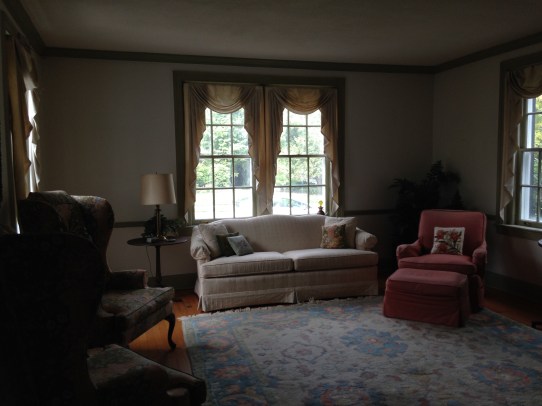
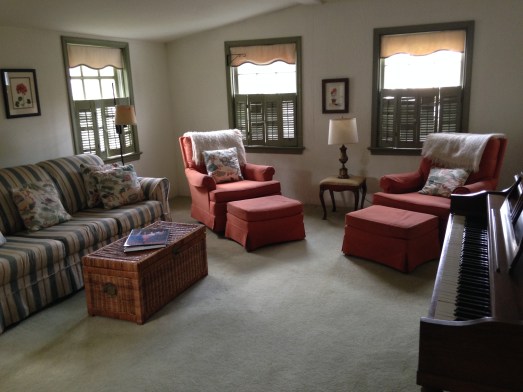
Our Living Room — Unchanged for 35 Years

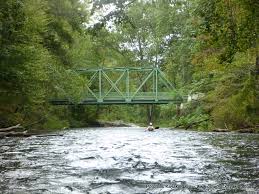
Every object, painting, chest, table, piece of crystal or china had been chosen and placed by my mother’s eye and hand. She’d created the still lives on the tabletops, the bookshelves, and the mantel. As I walked from room to room, I remembered when we’d driven to Lahaska, Pa to look at the 19th century chest in the dining room. I remembered learning to dance the jitterbug with my dad in front of the 1950’s oil painting of the bridge covered woodland stream. Now two years after her death, the dried pomegranates she’d arranged in the silver bowl five years ago sat dust covered in the center of the dining room table. The dozens of family photos sat crowded together on the piano as usual. Memories leapt out of everything. Pictures, movies unreeled in my brain. I grew up here, was happy and sad here, argued and laughed here.

Fortunately for me, I wouldn’t have to pack up all alone. My two childhood friends, Cheryl and Fran, helped me a lot. We spent whole weekends together. My partner, Kevin, came several times helping me to make decisions about what to keep and what to toss. My twin 24-year-old daughters helped too. And through the relator, I had the help of the dismantling-sixty-years-of-stuff expert, Nancy. Taking apart my mother’s home took 10 weekends of cleaning out and packing up.

img_0610

Rosemont Mini-Skirt Mob

It was hard, really hard especially that first weekend. By the end, I’d hardened. I’d become an expert at throwing away without remorse. I threw away the three dozen framed photos on the piano. We all had these pictures in our own homes. I even threw away the hundreds of photos of long dead ancestors. No one had any idea who they were. Chipped crystal and china that my mother had loved so much she’d kept the damaged ones, I tossed without a pang. Dirty, faded crewel pillows I’d embroidered for my mom 40 years ago, into the Hefty bags they went.

We recycled what we could. Old towels and sheets went to the animal shelter. Dr. Clutter, a recycling company, picked up three truckloads of stuff.  Weekend by weekend, Paul Avenue changed from being somehow my mother and my mother’s home to a house. A pretty 1920’s painted brick house with a slate roof and the original cooper gutters. A very desirable house to old house lovers according to the dismantler, Nancy and the realtor, Barb. As my friends, daughters, and I cleaned out and packed up together, we reminisced. Rooms and objects brought up old stories, some we’d forgotten until then. Yes, the house was packed with a mountain of stuff, but it was packed even more with our memories.

On those packing-up weekends, I was a teenager once again, laughing with Cheryl and Fran about sleepovers, remembering the dinner parties my mother made for our group of six girlfriends. My twin daughters, Anna Lou and Campbell, and I talked about the weekends spent with my mom and dad at the pool or the golf course. We laughed about how Anna Lou had peeled the wallpaper off of the bedroom wall during her nap. (I’d thought my mom would be really upset; she wasn’t.) As we packed up the kitchen, Campbell reminded us of my mother baking blueberry pies and never being too busy or too tired to make French toast or sit at the kitchen counter and play a hand of gin.

I realized dismantling my mom’s house wasn’t getting rid of my mom or my dad or my life. I realized we were dismantling a place that was once beautiful and interesting and meaningful – and now it wasn’t. Just because it was gone didn’t mean it was gone in my imagination. I could be right back in our living room or kitchen or my childhood bedroom, anytime I chose.

img_0500

My Parent’s Den and Their Two Chairs

I realized too, that family traditions and rituals go on. We still have my mom’s blueberry pie and special muffins every time Campbell bakes them for us in my mom’s muffin and pie tins. I use my mom’s sterling forks, knives, and spoons in our home now. She’s with me at every meal. Anna Lou wears my mom’s gold scallop shell locket and remembers long heart-felt talks with her Nana about what’s important in life and how to see the world as a place of love and beauty and possibility.

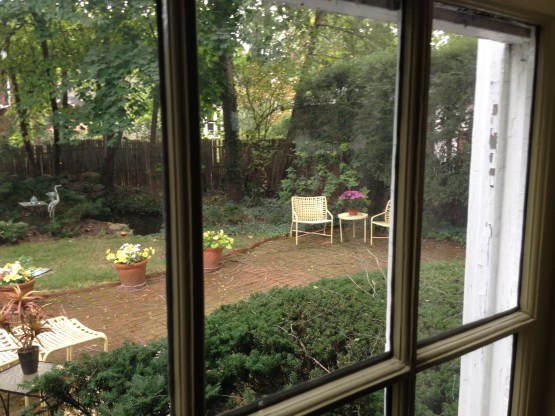
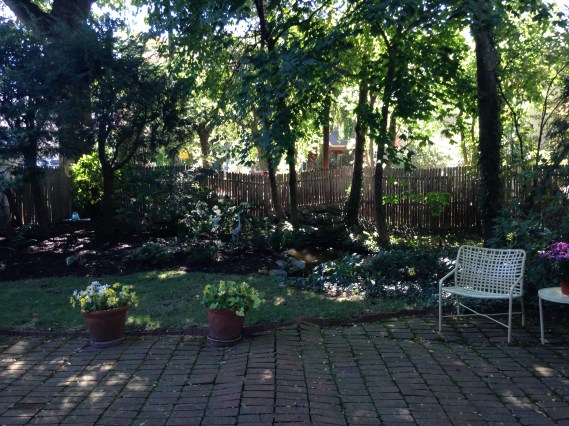
Paul Avenue sold on the first day it was on the market – we had five contracts, most over the asking price. A young woman bought it. She fell in love when she walked into the dining room and looked out its many windows to the sweet brick patio and original fishpond surrounded with hostas, rhododendrons, and hemlocks. The same view my mom had fallen in love with sixty years earlier. A circle.

img_0542

My Mother’s Favorite View

Now, many months later, I consider my stuff and begin clearing out. I’m reading Paris In Love, a memoir by romance novelist and English Lit professor, Eloisa James. She packed up and cleared out most of her stuff after she recovered from breast cancer. I’m also reading The Life-Changing Magic of Tidying Up by Marie Kondo.   I totally get why clearing out makes you feel lighter and freer. I totally get why some stuff is a burden and some stuff isn’t. It seems to me that stuff has a shelf life. When it’s expired, pack it up.

img_0568

The Fish Pond and Patio

On Happiness and Being – In the ADK

The Secret Cave

IMG_1223

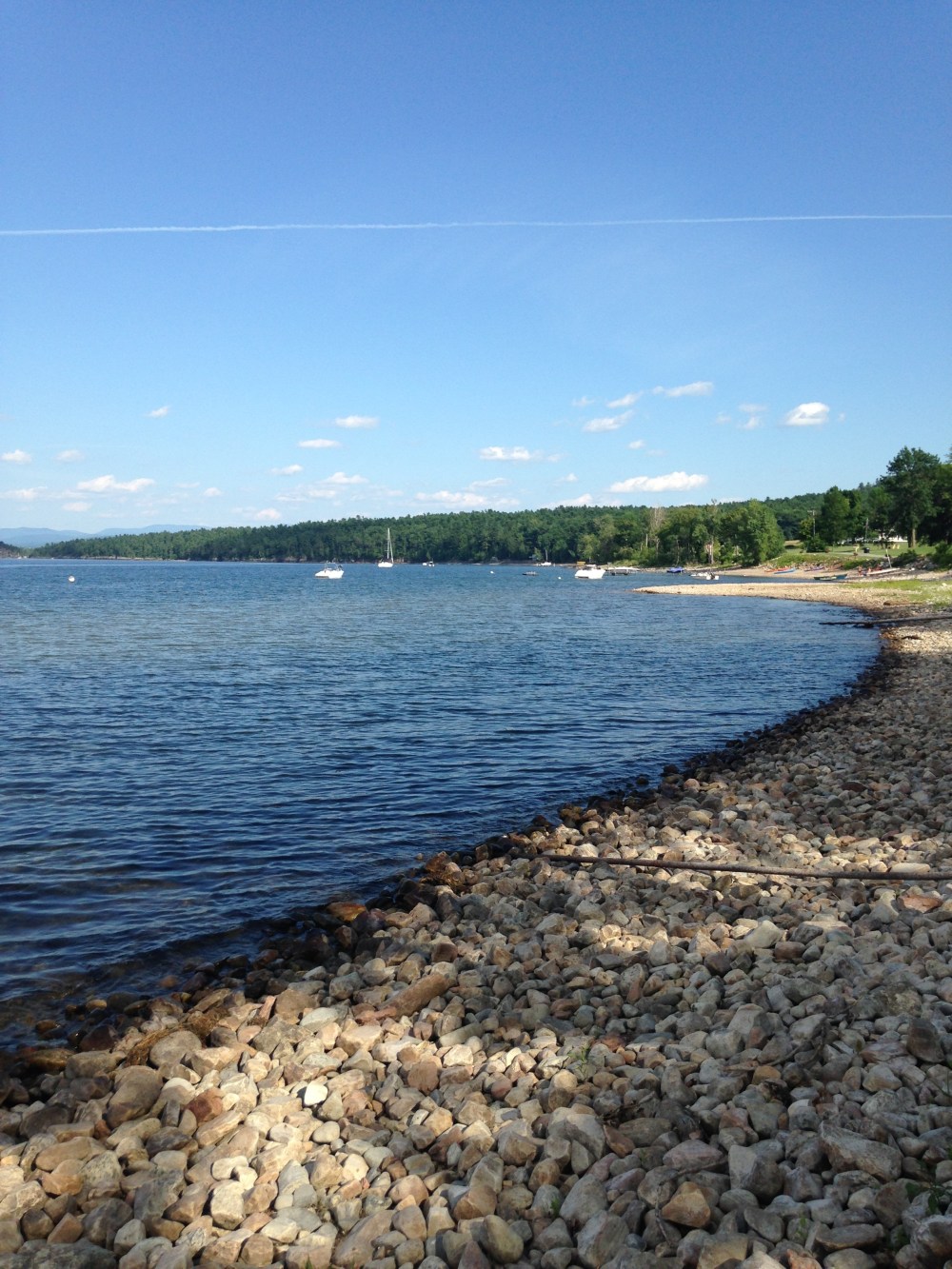
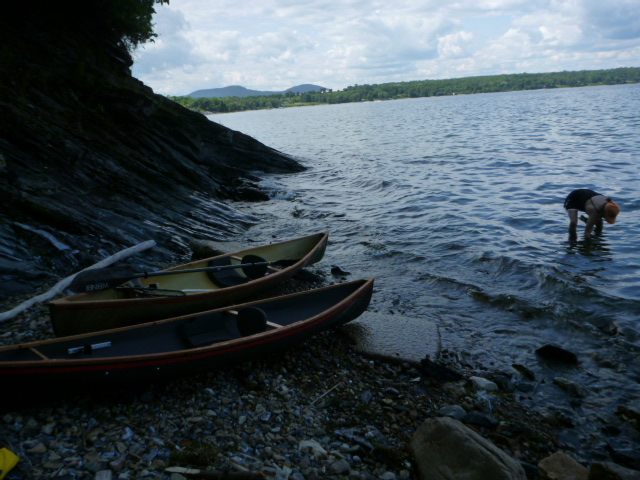
Returning to this grotto every summer reminds me of how things can be both the same and different. Although it is always in the same place along Whallenburg Bay’s shore, it is different because of the water level and vegetation. It’s appearance, smells and sounds are different too. Listen.

Error
This video doesn’t exist

Parch Pond

IMG_1107


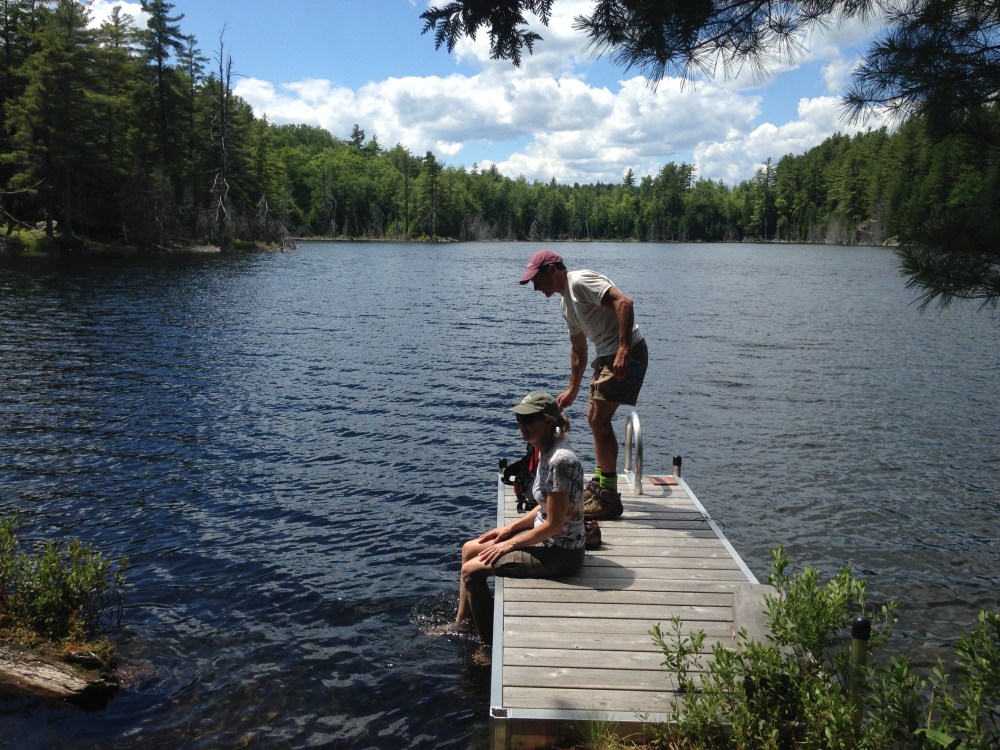
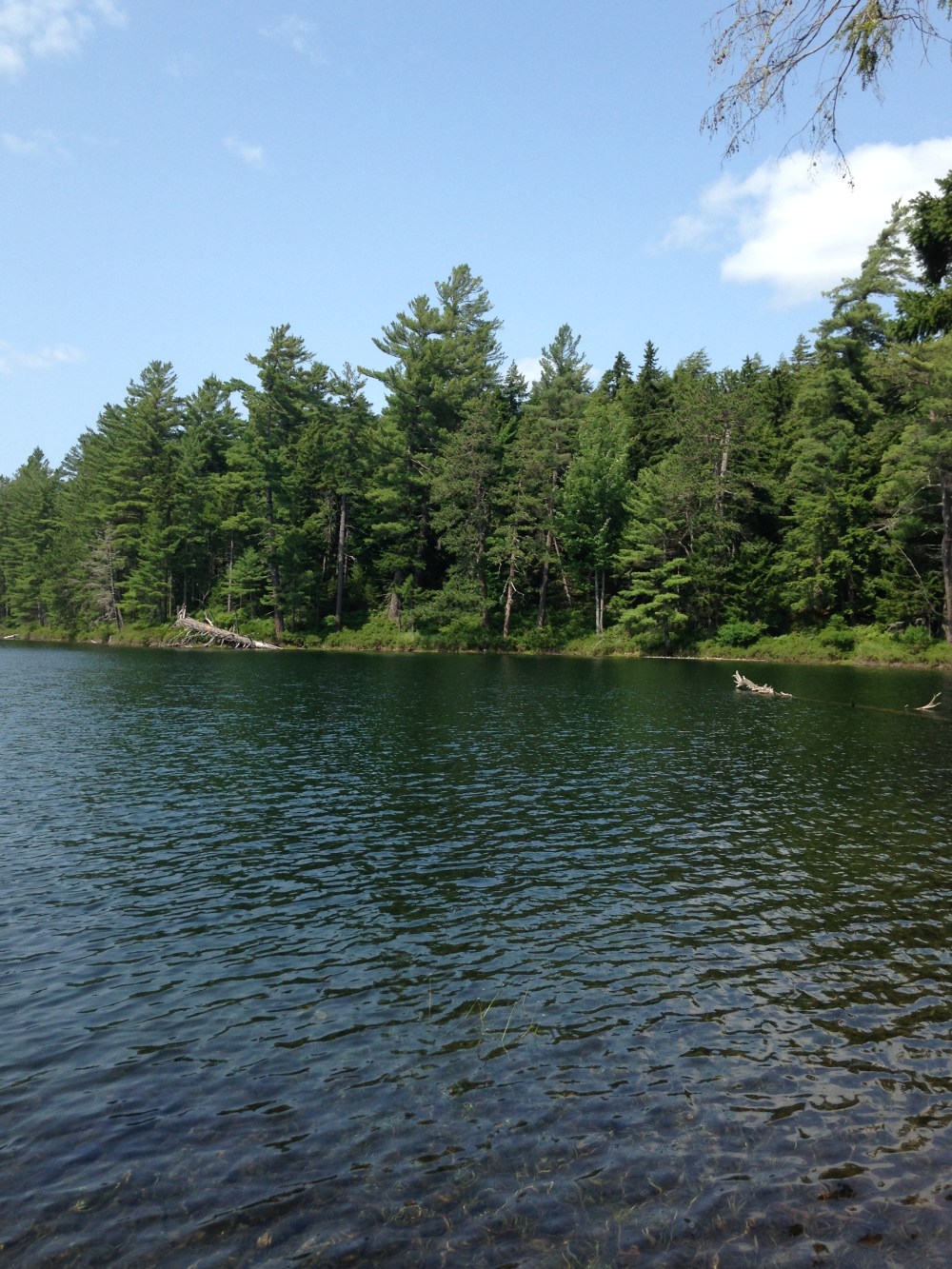
Sharing a special place with good friends. Nothing like it. A perfect day of blue sky, 70 degrees and crystal green tea water. Heaven.

IMG_1096

With friends at Parch Pond

Error
This video doesn’t exist


St. Regis Canoe Area – Seven Carries

IMG_1205


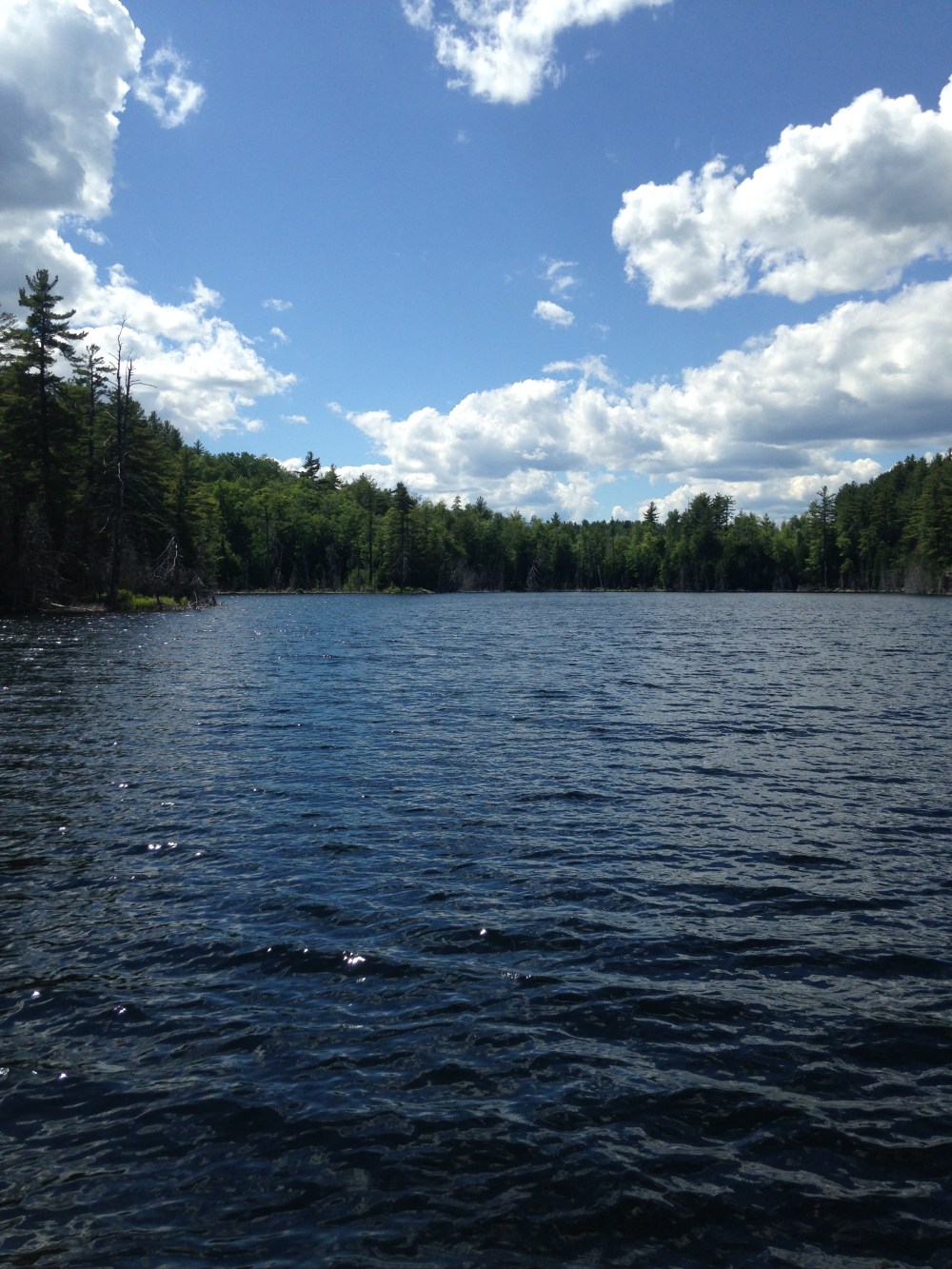
 Paddling on wilderness ponds strung like a necklace through dense pines and deciduous forests. Loons and their babies, a bald eagle, an osprey. And us, alone, finally together and apart, paddling and being. Floating.

IMG_1204


Caribbean Beach on Lake Champlain

IMG_1116

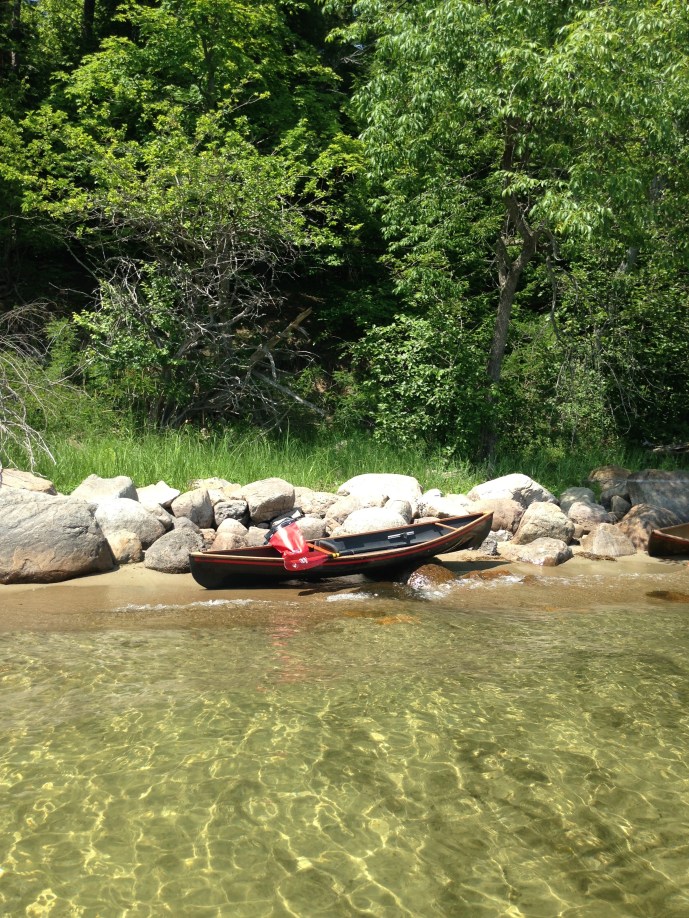
An adventure Fourth of July. Paddling out from Westport to meet friends coming from Whallensburg Bay. On the way we discovered a sandy beach uncovered this year because of low water on the lake. Lucky us. Swimming in aquamarine water with soft white sand underfoot for a hundred yards in every direction. Cool water, warm rocks to lay upon afterward. Are we in St. John’s?

IMG_1122


Road Trip

Brooksville, Maine

IMG_1128

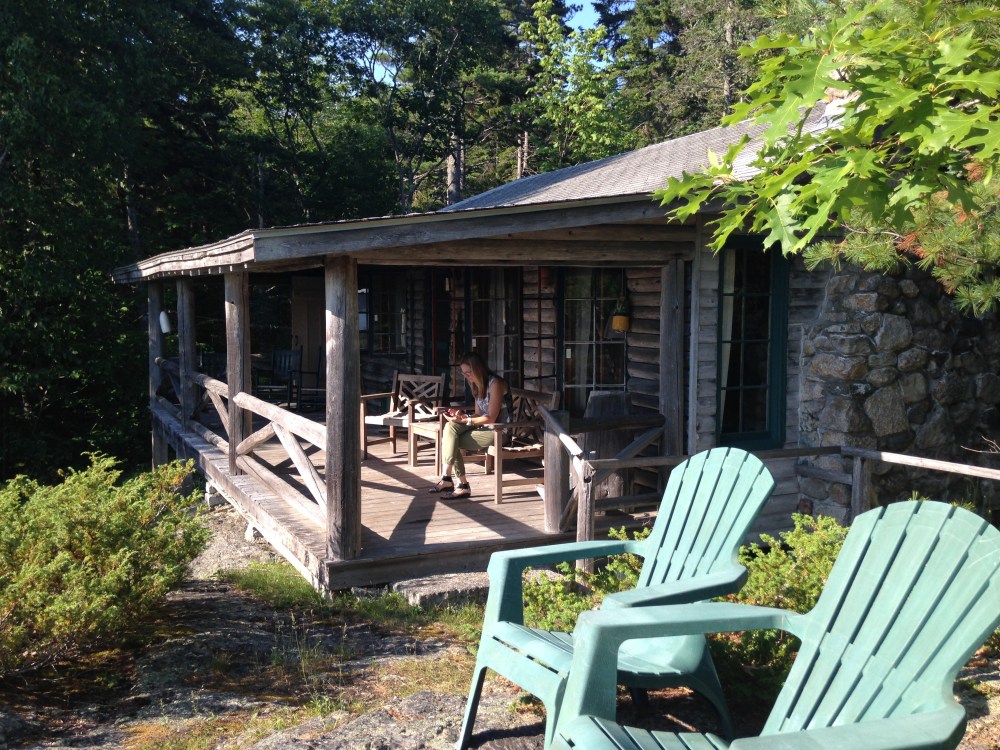
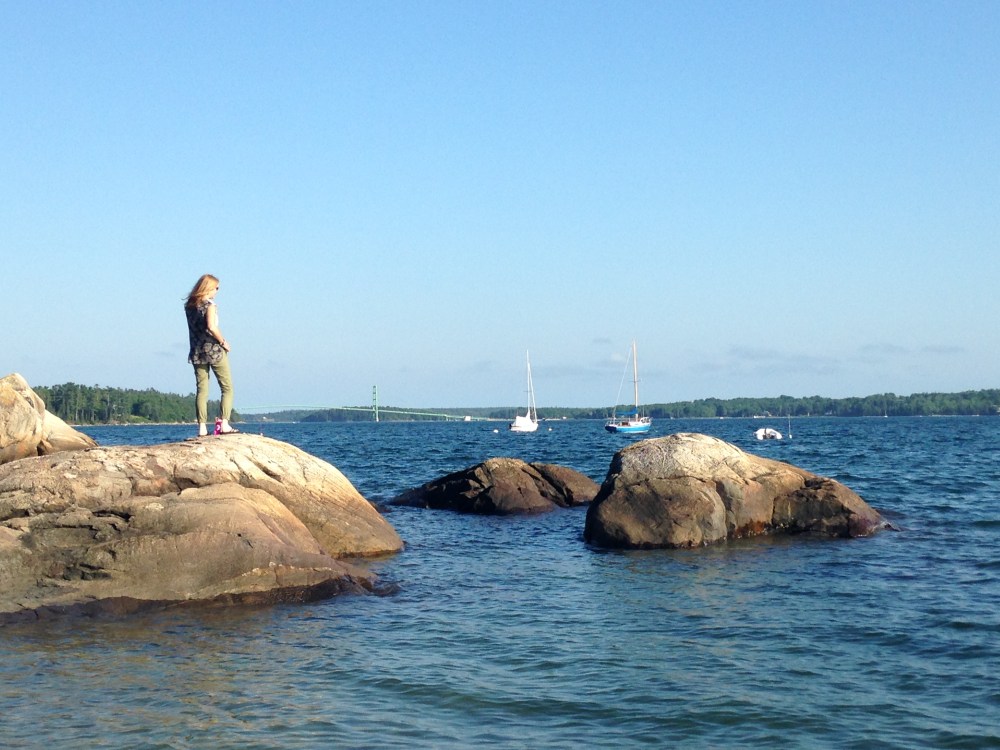
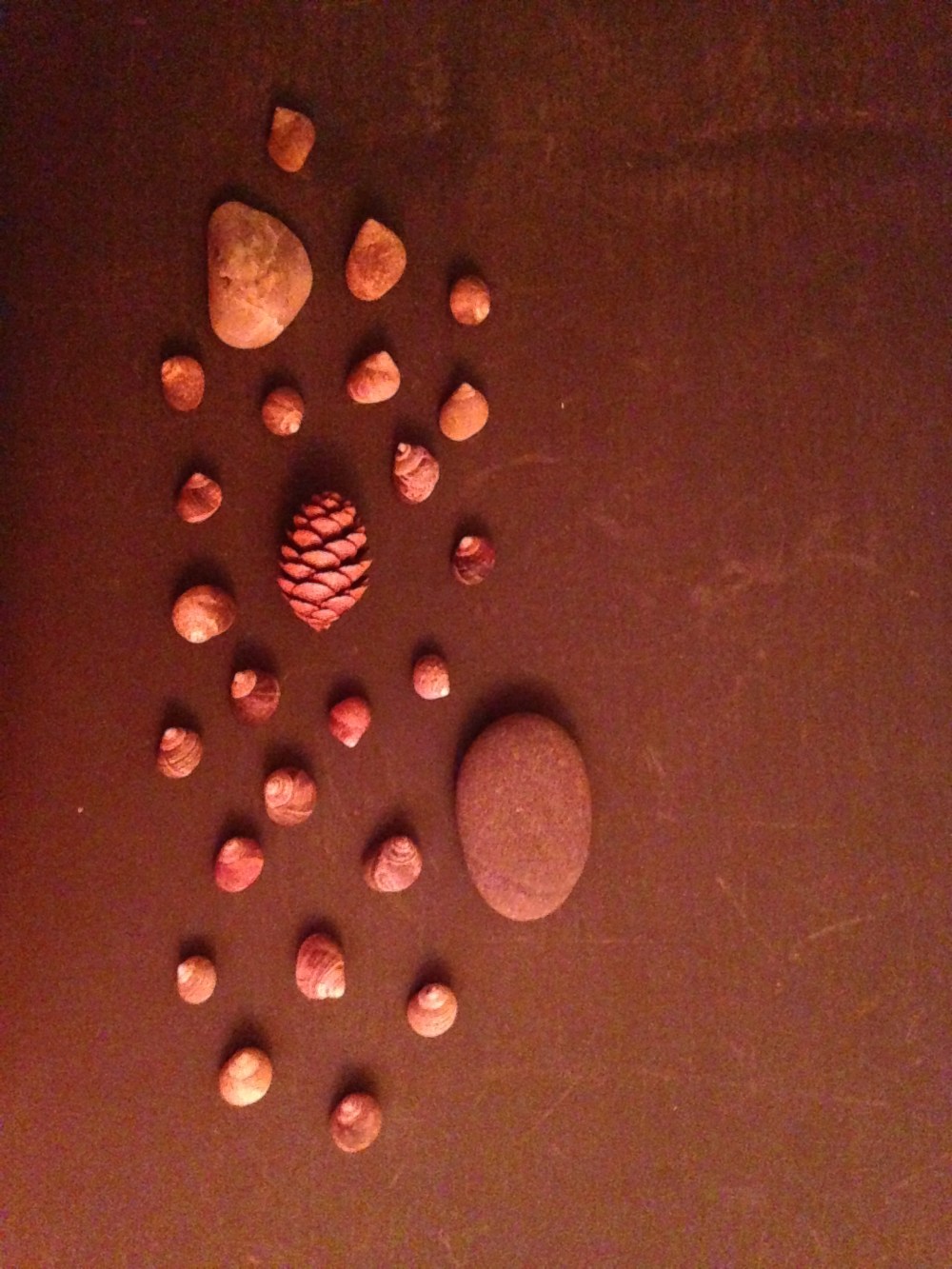
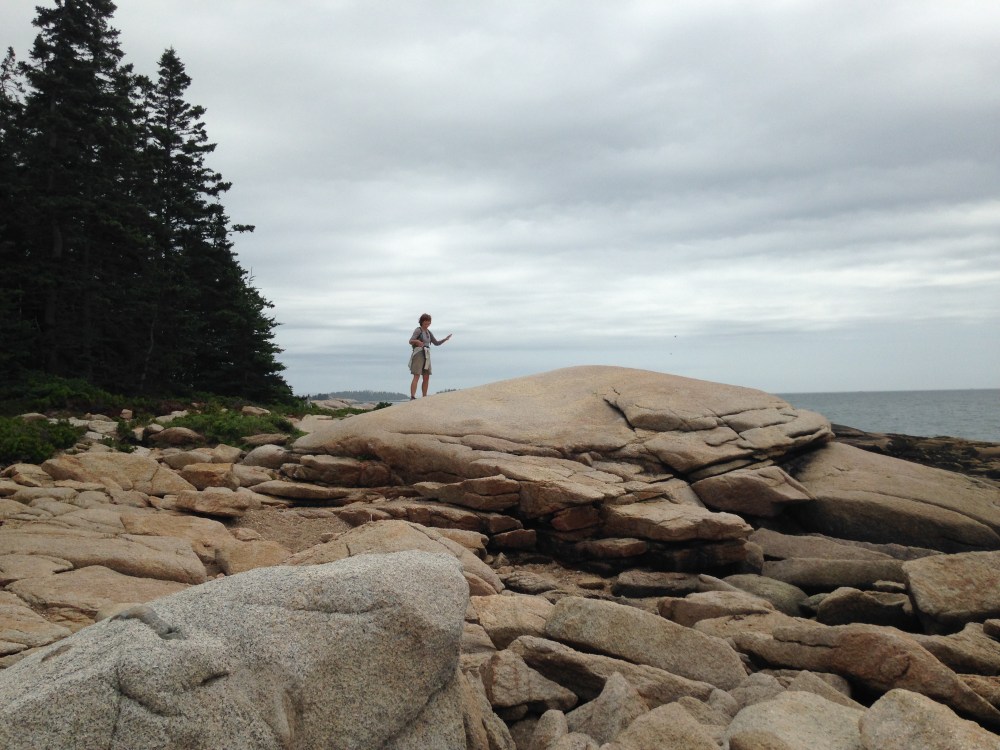
Three friends set out driving across Vermont, New Hampshire and Maine to a cozy 1940’s cottage on the rocky coast. Front porch overlooking the bay, islands, and the sea. Wading in the chilly clear olive-green water, picking up tiny empty snail shells, pocketing the special ones. Looking up now and again at the rocks and islands, listening to the gulls and water. Salt.

IMG_1131

Brooksville Bay

IMG_1193


Deer Isle, Maine

IMG_1147

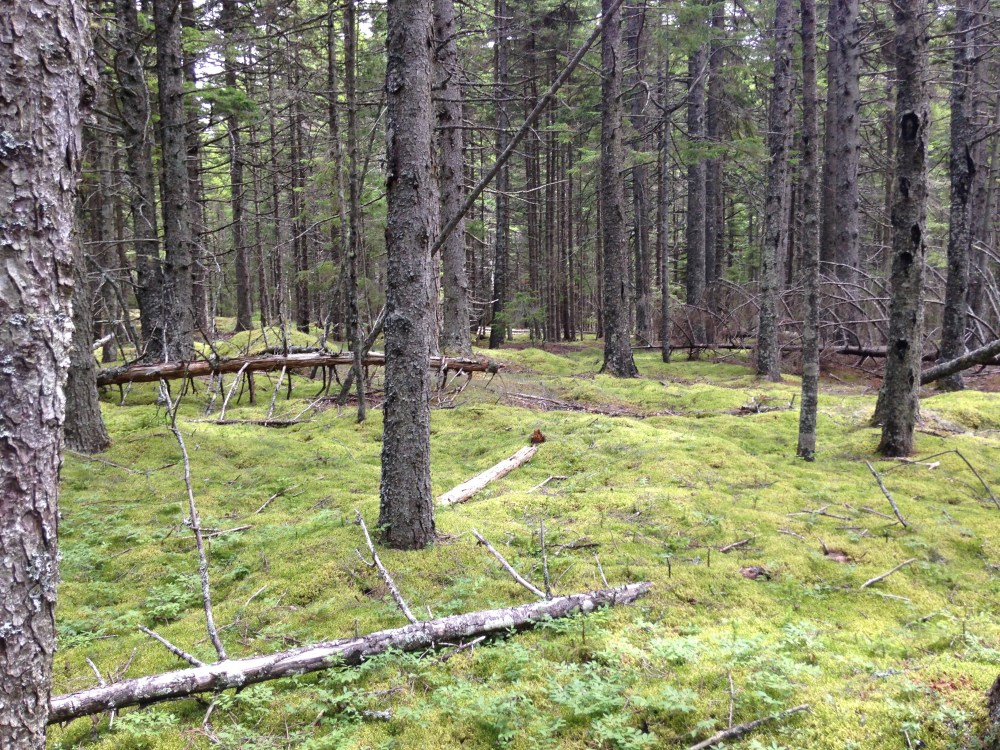
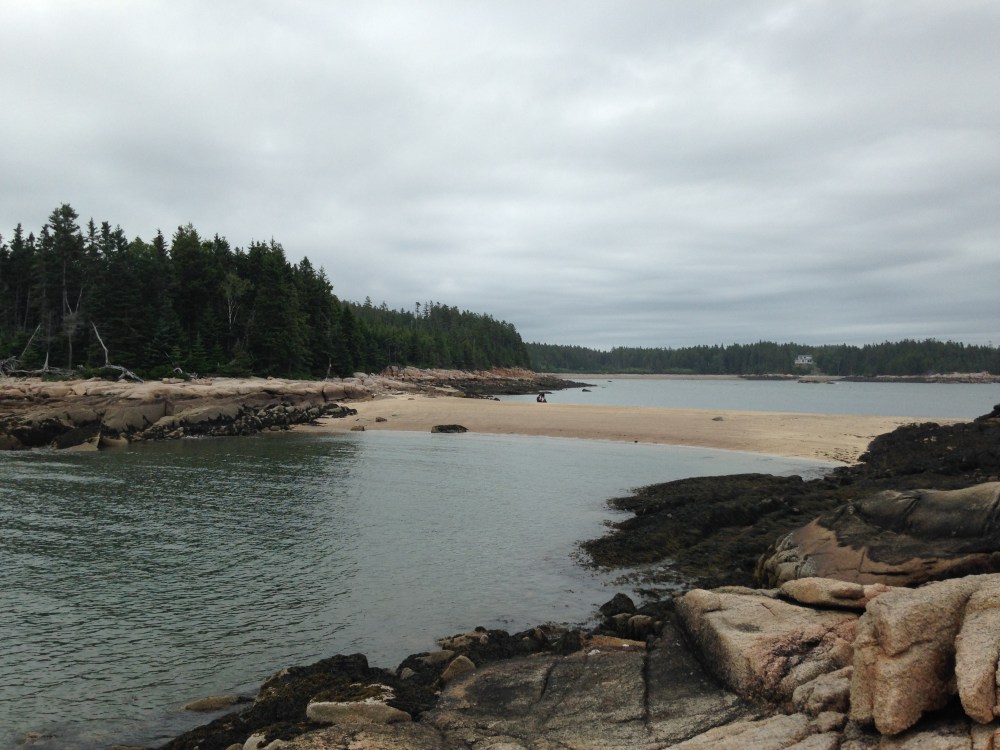
There we discovered Bard Island, a Nature Conservancy site. Hiked through fairy-land woodlands to the Atlantic Ocean. At low tide, we walked between two islands. Rocks, sea, waves, salt, fog horns and a lighthouse. I think of Blueberries for Sal.

IMG_1169

Between Two Islands

IMG_1149

In the forest looking out to sea

IMG_1171


A Colony of Great Blue Herons

IMG_1058

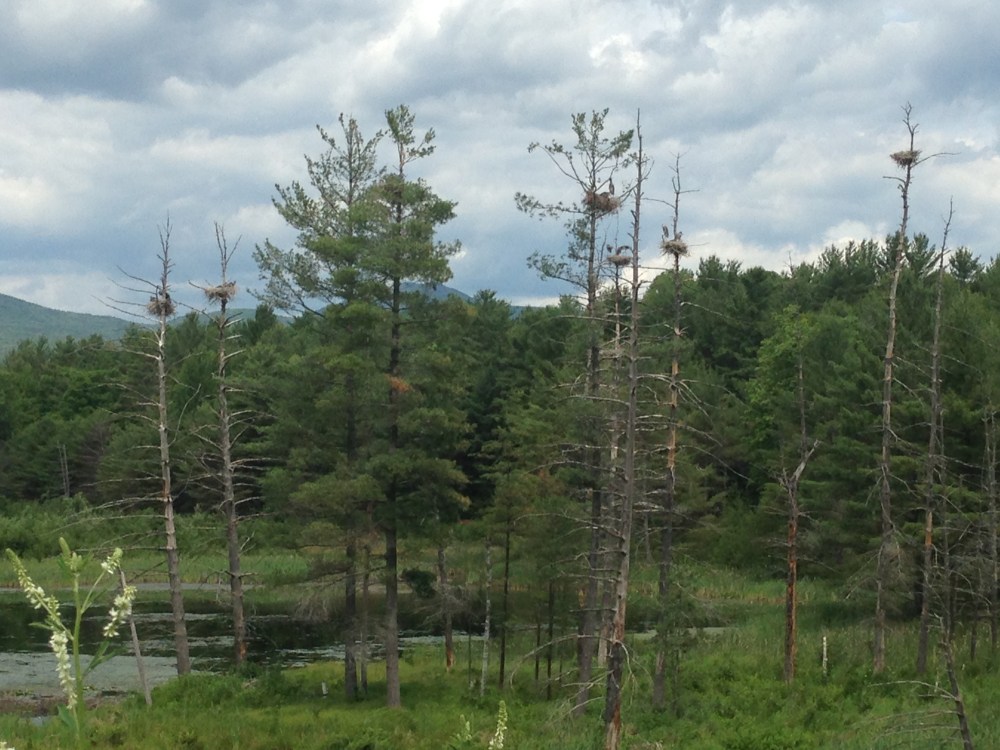
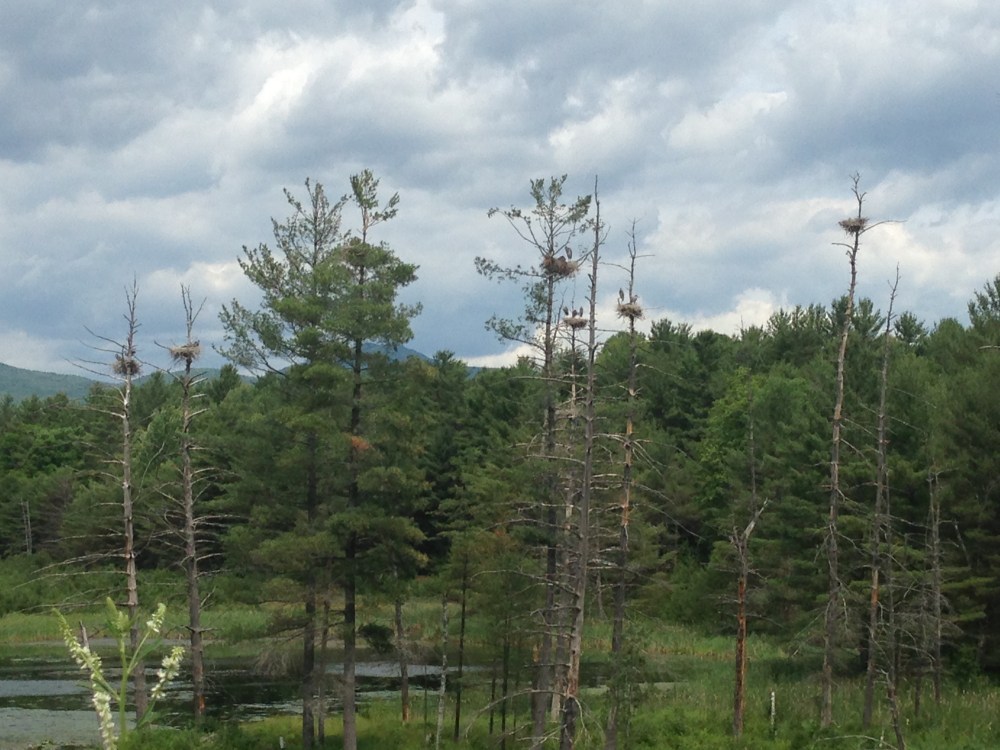
Incredibly, along NY Rt. 9 south of Lewes, NY is a wetland with dead trees each sporting a Great Blue Herons’ nest. From the road we could easily see the parents standing in the tree top homes tending to their young or waiting for them to arrive. Amazing.

IMG_1065

Great Blue Herons Nesting

IMG_1061

Going Native:  Creating an Ecosystem One Plant at a Time

IMG_0977

Early Spring – Post Cutting of Invasive Species, Pre-New Native Planting

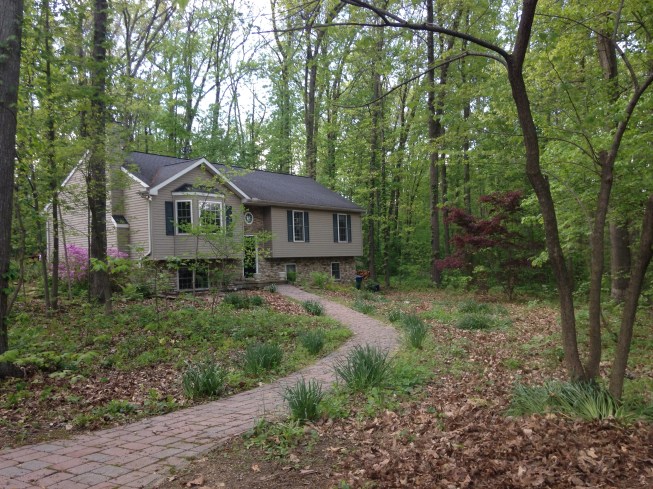
For Christmas Kevin gave me an arborist – Sue Hunter. She came to our acre on Hickory road one cold and rainy early January morning to walk about and advise us on how to make our woodland more native, more diverse, more eco-friendly, more bird and bee friendly, and altogether more beautiful.

As we tagged Sweet Cherry trees, European Black alder, and Double-file Viburnum, invasive species from Europe and Asia, she complimented us on leaving our autumn leaves to rot in the woods and lying in open places our neighbors would have surely mowed. In our sunny leaf-covered spots, we had wild violets, bloodroot, and wood ferns that had begun to grow in wandering irregular patches. Kevin had spent many hours each spring and early summer pulling garlic mustard weed and the insidious Japanese Stiltgrass thus encouraging our native violets, bloodroot, trout lilies, and wood ferns to spread.

Sue has been in the nursery business for 35 years. She’s had three farms in Pennsylvania and Maryland where she raised native trees, shrubs, and plants. Seven years ago, Sue bought a farm right up the road from us, Heartwood Nursery. For the past five years, we’ve purchased our Christmas wreaths there. Beautiful wreathes made from the plants she grows. No two wreaths are alike; many are made from unusual hollies like the American yellow-berried holly. And since Sue is the president of the American Holly Association this figures.

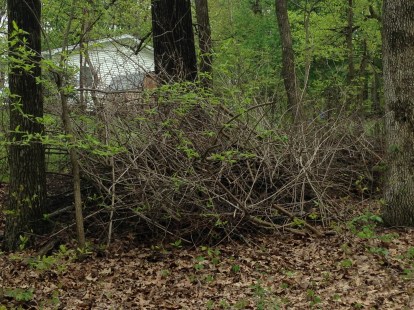
Sue, Kevin, and I spent two and a half hours together, all of us cold and enthusiastic about what we could do in the next couple of winter months before planting in May. She told us to rip out and cut down all of the invasives, create brush piles tucked into our woods where they would make natural barriers between us and the sometimes noisy road and the sometimes nosey neighbors. She explained that birds love brush or stick piles and that we’d have more birds than we did now. We thought we had pretty many – at least two pairs of pileated woodpeckers, red-headed woodpeckers, wood thrushes, wrens, goldfinches, and all of the other usual suspects, robins, blue jays, wrens, titmice, and catbirds.
IMG_1027

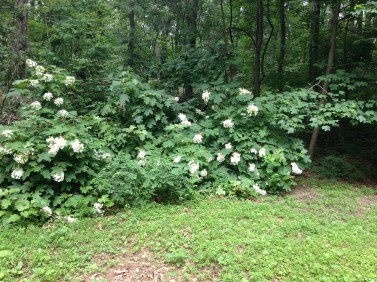
Original Native Oak Leaf Hydrangeas

After Sue’s visit I looked up invasive species. I wondered why they were called invasive and why were they bad. I found out invasive species can and do aggressively move into surrounding ecosystems eradicating habitat and food for native trees, plants, and animals. They are usually quite good at crowding out natives thereby destroying diversity and upsetting the balance.

For example, invasive trees are a problem because they can shade out forest understories and displace native vegetation. Native vegetation is important because it is beautifully adapted to a specific environmental niche. Natives have natural controls that keep them in balance. Invasives go ‘wild’ over-running the landscape and reeking havoc with that balance. Eventually, most birds move away to find a habitat that supports them. That is what had happened at our home-spot even though we’d never realized it until Sue.
IMG_0949

Brush Pile On South Side of House

On the Sunday after Sue’s visit the sky was clear and blue and cold, and I was itching to get started. I put on my corduroys, insulated underwear, and a fleece. I began with the two golden Hinoki False Cypress trees I’d misguidedly planted in the beds in front of our home ten years earlier. The Hinoki Cypress tree is not unattractive in a Japanese garden, but in a Pennsylvania woods, it looks ridiculous.. The cypresses were supposed to max out at six feet but had risen to fifteen, covering part of our living room bay windows. They looked beyond ridiculous. Not only were they too tall but I’d topped them a few years earlier when the windows were almost entirely covered with their branches. We had more light but with deformed flat–topped Hinoki Cypresses, not something one would choose as a landscape statement.

Once I began sawing down trees and bushes with a hand saw, I couldn’t stop myself. A handsaw is slow compared to a chain saw, but it’s quiet. I’m not strong enough to wield Kevin’s Stihl chain saw; though I ‘d love to experience the instant gratification. After sawing down the 6 inch diameter Hinoki Cypress trunks, I cut off their gold and green branches and carried them to one of the two brush piles I’d begun. It was so much fun to see the ugliness disappear and to build giant stick and brush piles. I felt like a child building forts in the woods, places to hide and pretend. I was creating bird habitat. I was a woman on a mission.

Physical work outdoors is one of my favorite things to do, and I’d quite forgotten through the years of my daughter’s illness and my mother’s death how energizing and cathartic it truly is. When I am digging, chopping, pulling, hammering, hauling, or sawing, I am nowhere else. I forget time, jobs, and worries. My mind forgets about itself. It stops planning lessons, tending children or students, making lists of all those things that never seem to be done. I am nowhere and everywhere. I am air, earth, water, breath. I am. I am not. How lovely.

Kevin, impressed with my progress, joined me several February and March Saturdays and Sundays. He can and does use his chain saw, wiping out a score of invasive species in a short afternoon. I dragged the branches into one of our now four stick piles. Two are over twelve feet high and twelve feet wide. They’ve begun to attract more winter birds, and as spring begins in March we enjoy the early robins, tufted titmice, and purple finches.

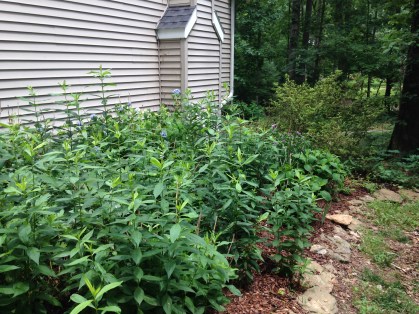
On another March Sunday, per Sue’s instructions, we dug up and moved seven mature
IMG_1023

Newly Moved & Planted Hydrangeas

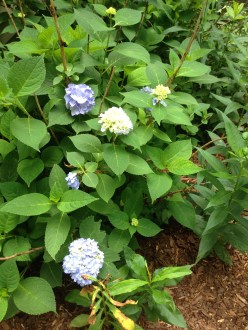
hydrangeas to a side of the house where they join four other mature ones. Wha-lah, we’ve created a massive planting of ‘endless summer’ blue hydrangeas 20 feet wide and three feet high. Sue believes in intensive planting. She says they have a visual impact that three measly bushes couldn’t have. She’s right. Even in late winter we can see the difference eleven leafless bushes can make.

As Kevin and I continued our deconstruction and dismantling, we noticed the neighbors slowing as they drove by. I’m sure they couldn’t imagine what we were up to. But since we’re professors, they figured it was probably something new and weird. Our neighbors, all of whom live in the same type of woodland environment as we do, endlessly rake and mow their ‘yards’. Since woodland soil is acid and isn’t capable of supporting grass, their yards are primarily packed earth with patches of rough bluegrass, ryegrass, and shorn dandelions. Nevertheless, each week from April until November they mow on riding tractors fit for sunny fields or golf course fairways.

My first autumn on Hickory road 15 years ago, brought my next door neighbor, Steve, over when he determined in late November that I wasn’t going to rake my leaves and burn them as everyone had done a month earlier. Steve politely said that I was going to kill my grass if I didn’t rake soon. He added that he knew I must not know about such things since I was a single mom who must be new to living in the country. (He didn’t know I’d owned a farm before I’d built this new home or that I’d purposely moved to the woods so I wouldn’t have to mow.) I, just as politely, explained that I had no intention of raking because I didn’t want a ‘lawn’. His eyes became quite large, and he walked away shaking his head from side to side, doubtlessly thinking what a kooky new neighbor he’d acquired.

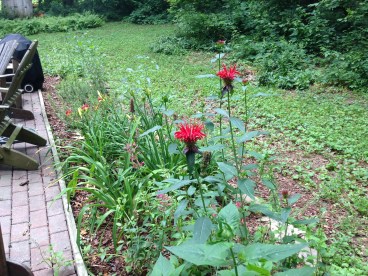
As April began, we looked over the site plan Sue had emailed in early January and imagined how all of these native bushes and plants would look. She had designed natural looking beds around the house of high-bush blueberries, viburnum nudums, foam flowers, dwarf winterberry, Virginia sweetspire, and blue lobelia – all densely planted. We talked. We thought. We decided. This May we’d do the entire front of the house, the driveway entry, and the border around the patio out back.
IMG_1026

Newly Planted Natives Around Patio

May fourteenth arrived and I was up, dressed, and outside waiting when Sue and her helper, Luke, arrived. Luke, a quiet and responsible home-schooled teenager worked for Sue and happily he was going to work with me, planting and then helping me through the summer. We all unloaded the 200 plus plants and shrubs. As Luke wheel-barrowed loads to the various beds, Sue placed then exactly where she wanted them planted. I hand-carried dozens and placed them next to the beds where they’d grow and thrive. In a couple of hours, we’d arranged the plants in the front of the house, out by the entry drive, and around the patio in the back. Even sitting in their pots, they were an impressive sight.

Between teaching and the rain, it took Kevin, Luke, and me almost two weeks to get them into the ground. When we’d finished we were so proud and happy. Beauty was all around us. Not only did we have dozens of rhododendrons, azaleas, Solomon’s seal, Jacob’s ladder, and white wood aster in our woods but we had the most birds we’d ever seen.

At first Kevin and I thought we might be imagining there were more birds. After all we’d spent a lot of time cutting and building stick and brush piles and wanted our work to have paid off. But as the woods turned green and the brush piles disappeared in the verdant tracery surrounding them, we couldn’t deny that we lived in a bird sanctuary.

From dawn until dusk wood thrushes, scarlet tanagers, indigo buntings, cardinals, blue jays, titmice, wrens, woodpeckers and many others sang and sang. The wood thrushes are our favorites. Their fluty floating sound is a tonic, a calming peace-filled melody one never tires of hearing. Not only did we have bird song, but also we had ruby throated hummingbirds sipping from the Agastache flowers around the patio.
IMG_1028

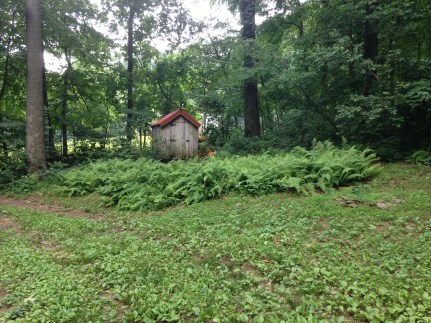
Native Ferns and Favorite Wood Thrush Spot

In the evening we’d sit on our Adirondack chairs and watch as wood thrush parents brought their fledglings out to learn how to find insects under the leaf duff. They’d come within feet of us, safe in this place. We could hear and see Baltimore orioles that nested from their hundred foot high branches in the tops of our Hickory trees. Everywhere there was more – more life, more sound, more happiness.

Now when we arrive home after a long miserable traffic-filled commute from the big city of Baltimore, we come home to a sanctuary, a home-spot retreat that rejuvenates and restores us. We come home to a native habitat, a real Garden of Eden that we created with the help of our neighbor arborist and newfound friend.
IMG_1042

Endless Summer Hydrangea

IMG_1048


Post Script:

If you’re interested, listed below is Sue’s plant list.

Section #1 – Driveway entrance – Right side:

American Holly – female – 3 BB

American Holly – low, spreading – 2

Summersweet –  pink –  9 containers

Virginia sweetspire   9  containers

Coneflower   12   containers

White wood aster – 12 containers

Jacob’s Ladder — 12 containers


Driveway entrance – Left side :

Rosebay rhododendron – 12  containers

Gable azaleas – 12 containers

White wood aster -12  containers

Jacob’s Ladder -12  containers


Section #2 – front of house – both sides :

Viburnum nudum –  24 containers

Highbush blueberries – 24  containers

Foamflower – 36  containers

Dwarf Winterberry – 3 containers

Virginia sweetspire -15 containers

Blue lobelia – 24 containers


Section  #4  –  Garden adjacent to deck :

Clustered Mountain mint – 5 containers

Bee balm  – 5 containers

Various herbs :

Rosemary

Lavender

Chives

Oregano
 

Snippets from the ADK — Circles — Returning But To a Different Place

College of Liberal Arts Building, Towson University

College of Liberal Arts Building, Towson University

When I walked through the university parking garage; the old anxiety reared its head for a heartbeat. I breathed, walked on.  I am back on campus, but this time to pick up a key for my new office.  When I envisioned my perfect job more than a year ago, I’d imagined teaching writing full-time in the English department in the beautifully new and light filled College of Liberal Arts building. It would mean teaching with colleagues who love reading and writing in an open, free environment.  I would have weeks to myself in the summer where I could be in my beloved Adirondacks. I would have time and energy to think, to write, to be.

And here I am sitting in my new office, real wood furniture, no window but next to an old friend and colleague I’ve known for 15 years. Surreal to make this circle back to where I began teaching 14 years ago.  I check out my classrooms in this huge  290,000 sq.ft building.  Three out of four classes will meet in small conference room style rooms with tables grouped in a large rectangle and ringed with comfy, swivel office chairs. I smile. The intimacy and dynamic I’ d imagined right before my eyes.
Next week, we begin a 15 week journey together — these 84 students and I.  Joyful anticipation!


Snippets — Renewing in the ADK

Two Hornbeck's on the shore of Lake Champlain

Two Hornbeck’s on the shore of Lake Champlain

I usually write essays, drafted and tinkered with over many weeks — sentences and words agonized over and then agonized over once again.

Now after 5 weeks in the ADK, I want to write only snippets. Too much has happened in these past weeks.  I could write a bulleted report of my doings but that would not only be boring but would only scratch the surface of my experience, would leave out the most important part — how I came to be more of who I am, not restored after the terror of the past three plus years, but  renewed.

Over these weeks, I have discovered through moving my body and mind and soul through experiences as diverse as restorative yoga, paddling rivers, hiking mountains, grading students’ essays, chatting with friends, attending concerts and theater, shopping, eating, and visiting with family and friends that I am different from when I left Stewartstown, PA.  I am my old self and my new self.  The anxiety, pain, and fear that was my daily and hourly experience has vanished, and I am in a foreign land, one in which I want to stay, permanently. If I had to sum up my new place, it would be with one word — perspective.  My perspective has shifted, shifted to a place that I plan on staying for quite awhile. It feels so  good to be here, seeing and feeling from this place that current or future conditions can’t shake so ferociously.


The Magic Tray

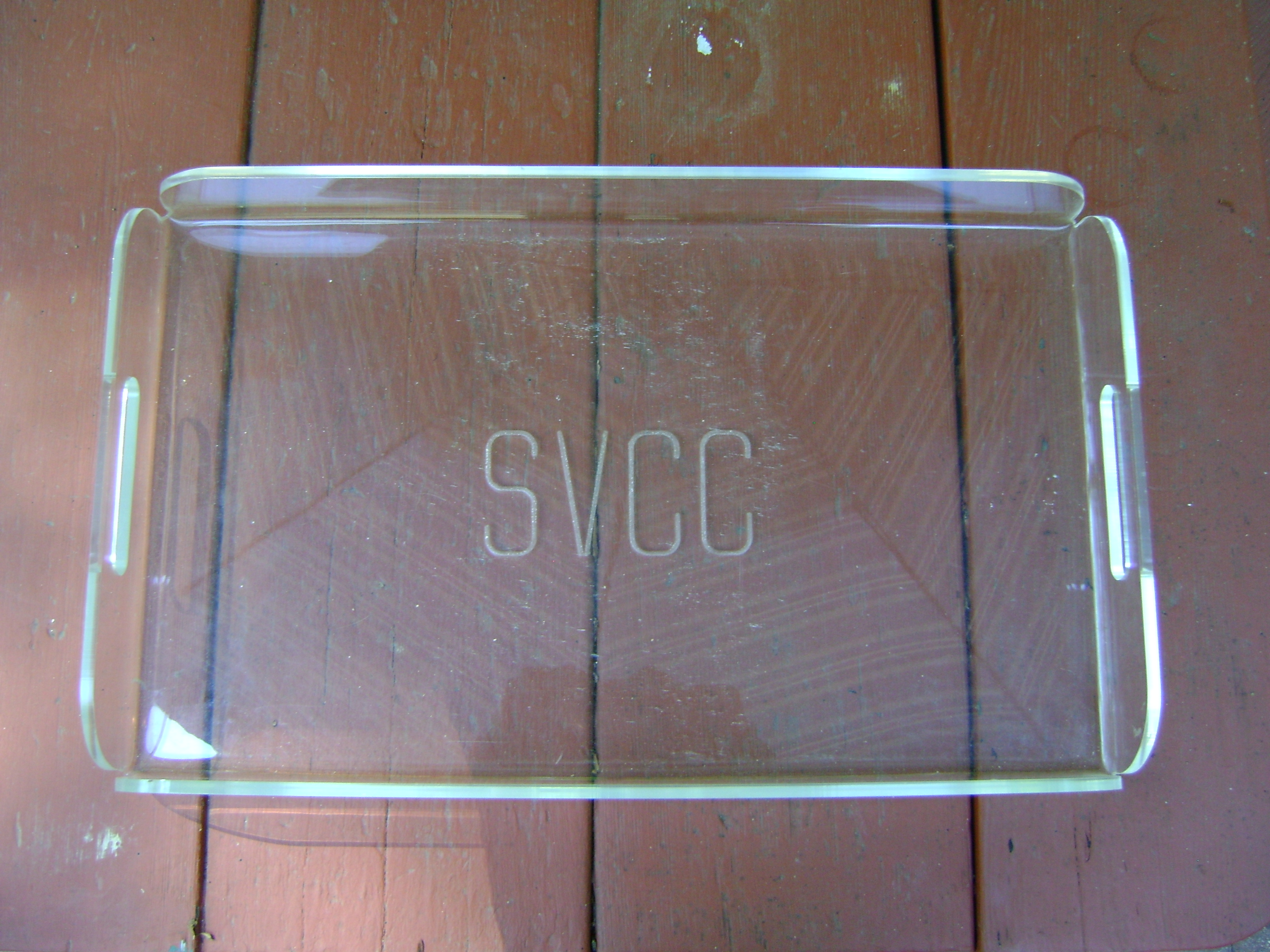
The 'magic' tray we used in our Young Writers' Club

The ‘magic’ tray we used in our Young Writers’ Club

There once was a class of writing students who were terribly behaved around food of any kind. After school they acted as if they’d been starved for days, rushing up and edging one another out-of-the-way so they could get at the table laden with bags of Oreos, Chips Ahoy, and Synder’s pretzels. One would imagine they had just come off a 10 day trek on the Gobi desert by the way they ripped open the plastic loops holding the Deer Park water bottles. As they gingerly negotiated the classroom desks getting back to their own, their 13-year-old hands overflowed with eight or ten cookies (Were they hypoglycemic?), three or four pretzels (Were they salt deprived?) Then once seated (and that was a tricky business if they’d pushed their chairs back under their desks) each child stacked and sorted their loot in his or her own way upon the napkin I’d placed there. Some stacked their cookies six high, some in short stacks of two or three. Either way they wiped out the snacks on the snack table within minutes. It was a frantic and chaotic business at the start of each and every club meeting.

Reminding them to share and slow down made absolutely no difference. These young writers were deaf to me and to the other two teachers who coordinated this Young Writers’ afterschool program for middle school adolescents who actually love to write. This love of writing made them anomalies of their Title I middle school. They were the smart ones, the ones who lived and loved to read and write and talk about fiction and poetry with one another. One often overheard them discussing their latest work, “I based this story off the Anime series Sazae-san”. They were a polite and serious group of over-achievers so their uniquely sensitive behavior juxtaposed to their Darwinian behavior when it came to cookies was hard to fathom. Why did they greedily and without regard for one another attack the snacks I brought each week? Were they truly that hungry? Or was it something else?

We teachers tried sending them to the snack table one or two at a time, but this strategy left the last students with the broken bits and only one or two whole cookies a piece. We said over and over again, “Remember your friends are hungry, too. Only take two cookies and two pretzels at a time.” This sort of worked. But as soon as our attention shifted to working with the student writers individually, their club-mates stealthily made their way to the snack table and grabbed as many cookies and pretzels as they could without our noticing. When at last we did notice, we saw that the original two cookies and two pretzels on each student’s desktop had suddenly been replaced with Oreo cookie towers ten high and mountains of fifteen Synder’s thin pretzels. Empty containers tipped sideways their crumbs spilled out on the floor were all that was left behind from the snack invaders.

After many months of watching this weekly drama unfold and our attempts to contain and modify their attacks failing each and every time, I decided to come up with a plan. I wasn’t sure what this plan would be, but I was determined to change this uncivil and uncivilized behavior. But how?

That very weekend of my resolution, I was going to visit and help my father sort out and clean out closets and drawers at his home, the home in which I’d grown up. The home that was crammed full of 50 plus years of stuff. My mother had died a few months earlier, and I was helping my dad sort things out. His desire to ‘clean out’ was his way of mourning and moving through my mother’s passing. They had been married for 60 years. As we worked together on the kitchen cabinets, we came upon the tray cabinet which held 3 dissimilar trays, one circular plastic coated gold leaf, one chipped painted metal, and one clear plexiglass with the initials “SVCC”.

As we worked, my dad often asked, “Do you want this vase?”; “Do you need a cookbook?” “Should we throw this away or give it to Good Will?” So as we looked at the trays, he said, “I want to keep the gold one, but you can have the other two if you want them?” “Okay,” I said, “I think I’ll take both. We could use them at home.” And so I left that Sunday afternoon with two trays, one with chipped paint and the other a brand new looking plexiglass.

The metal cream-colored tray with a chipped scene of red and blue winding flowers and two black unicorns was ancient. When it was new and un-chipped, my mother had used it as our ‘sickroom’ tray when she brought me toast and tea after a night spent with a fever or vomiting or both. We never saw or used it at any other time. The plexiglass tray, on the other hand, was a prize won by my mother at a golf tournament. My mother was crazy about golf and had played for 50 years. Although she was never a great golfer, she was an impassioned one, playing and practicing several times a week. This prize was from the country club at which she had played hundreds of times. It was one of the very few golf prizes she had ever won. In fact, it was one of the best prizes she had ever won.

And so that next week when I awoke as usual at 4:00 AM thinking about work or children or both, it suddenly came to me, an epiphany, “Use a tray for our Young Writers’ club”. Yes – I would serve them their snacks, water, and napkins on a tray. In this way, they would be honored and taught at the same time. I was so excited to try it. But which tray to use? The ones at our home were in constant use, and I wanted to leave a tray at the school which was an hour’s drive away. Surely not the chipped one; these children didn’t deserve a battered looking tray. That left the plexiglass with the initials SVCC aka Saucon Valley Country Club. As an otherwise unmarked, simple rectangle with 2 inch sides (those sides would help eliminate things falling off as I moved about the classroom), it was perfect. I couldn’t wait to try it.

The other two teachers thought the tray was a good idea too and were eager to try it. So that Wednesday, I brought the usual Oreos, Chips Ahoy, pretzels, and water along with the unusual, my tray. As the teachers and I unloaded the snacks, I explained to the children that I would be serving them their snacks on this tray. They watched as I opened the cookie containers and the pretzel bag and placed them in the middle of the tray. Next I stacked the napkins in one corner and lined up the water bottles in the other. It all fit, perfectly! With the two slotted handles, it was easy to carry the tray around the room stopping at each child’s desk and asking, “Would you care for a snack?” That first time, they looked questioningly at me as they stretched out their hand to the cookie container, asking out loud or silently with their eyes, “how many?”   In response, I said, “Let’s take two cookies now, and I’ll be around again a little later.” The effect was instant. These grabbing, gobbling children became 19th century drawing room aristocrats, ever so slowly and carefully taking one or two cookies, a napkin, a pretzel, and water. As if we’d always had our snacks in this way, they spontaneously said, “yes, please” when offered the tray and “thank you” as I moved on to the next student. It was magic to see and hear their transformation from ruffians to refined gentlefolk.

Now eight months later, the tray has worked even better than I’d imagined. It brings out the best parts in our young writers, the civil, caring part. They love the tray and being waited on. Now when the students want more, they ask if I’m coming around again soon. And so this tray won by my mother at a golf tournament at a fancy country club has traveled to a very different place, a place filled with children who love to write. Each week as I set up the tray with snacks, I thank my mother for giving me this great idea. Because of an afternoon spent cleaning out her kitchen cabinets, I discovered a simple and elegant way to change our student’s weekly snack attack. Who’d have thought it?

The Beauty of Opposites

The beauty of opposites

The beauty of opposites

Imagine you have spent all day at the hospital sitting next to your 20 year old daughter as she struggles to heal. Imagine that she has been in this hospital for 6 weeks and counting. That she has had blood transfusions, CT scans, MRI’s, and blood tests galore, and still she bleeds internally. The doctors keep trying one treatment and then another. They bring in one more specialist, confer with doctors across the United States, all to no avail. Your daughter has lost 35 pounds she didn’t need to lose; she is 5’10” and weighed 128 pounds before all of this began. As you sit and watch her doze, you work on your laptop answering email from work, work you have no interest in attending to. Your daughter is slowly bleeding to death. And all you can do is be on full alert, learning about her condition, learning about anatomy and physiology and abdominal infections when your expertise runs to organizing teaching workshops and helping students learn to write. You sit and try to do your work and care for your child at the same time, something you have always done as a working mom. Only now you are trying to do both while filled with the kind of terror and anxiety that comes with every parent’s worst nightmare. Your child is critically ill. She is not getting better. She is getting worse.

I leave our home in the morning for my daily vigil at the hospital and go back home at nine PM after the doctors have come by for their daily check in. The doctors are kind and serious and always calm. Their calmness frightens me even more than their newest idea for healing my child.

At ten PM, I am home, numb and wired. My sweetheart and partner, Kevin, has made me mashed potatoes, roasted chicken, and green beans, one of my favorite comfort food meals. There is always plenty of red and white wine. He hugs me, arms wrapped softly around in blissful completeness and waits patiently for me to talk or get a glass of wine or take a shower. He doesn’t hover or ask too many questions. He is there, a quiet, calm, and nurturing anchor, my overnight mooring. My safe-spot for the night.

This was our life for most of two and half long years until today when we are once again doing something ‘normal’, something fun. Today we are light-headed and hearted with the reprieve of sickness and hospitals. Today we wear shorts and T-shirts and feel like children finally let out to play in the warm sunshine. And we are playing, playing in kayaks on the Gunpowder River in Maryland, a place that doesn’t look much different than it has for the past 20 years we’ve been paddling it. As I step into the 50° water wearing neoprene socks inside my water shoes I wonder why my feet always burn with cold before my calves, arms, or hands.

Gunpowder River, MD on a day in June, 2013

Gunpowder River, MD on a day in June, 2013

“Do you want spiders or ants?” asks Kevin smiling as he puts on his new REI khaki fisherman’s floppy hat. “Spiders”, I say with complete nonchalance. This is our first paddle of the season, and we’re lucky there aren’t worse in our kayaks after the long, damp winter our boats spent overturned on wooden horses on the edge of the woods in our backyard. Earlier we hosed them out but apparently, a few critters have survived our hose tsunami.

As we climb into our boats, the 94°air temperature sinks to 80° on the surface of the 50° Gunpowder River water. Sometimes the temperatures are so extreme between the air and the water that clouds float along the surface rising three or four feet so that it feels like you are paddling through chilly fog on another continent. But not today.

Today it’s perfect. Cold, clear water, bright blue sky, and hot sunshine beat on us in between the oaks, sycamores, and poplars that shadow the river. The pale pink fairy-cap shaped Mountain Laurel blossoms peep out of the jade velvet feather- shaped leaves as they climb up the steep hillside banks, covering them with sweet scent. Invisible Wood Thrush flute back and forth; a Louisiana Water Thrush flies across our path and lands a few feet alone and ahead of us, moving each time we come within the ‘too close’ zone. A Kingfisher scolds and darts in a straight line diagonally in front of us, as a score of colorfully dressed hikers wave and pick their way along the rocky trail running parallel to the riverbank. Their t-shirts and shorts sag with humidity. Patches of sweat circle their armpits and outline their spines as we sit coolly in our boats, dipping a leg overboard or cupping water onto our shoulders, neck, and chest whenever we wish to enjoy the shock and shiver of icy water running down our spines. Ahh. Instant hot to cold.

On this hot June day, we paddle together for a stretch and then apart just as we do in life, chatting about what we each see. It’s nice how we notice different things though we are paddling the same river at the same time in relative proximity. Now we are side-by-side steeped in the quiet that comes with knowing someone better than you know any other. Then a riffle or a shallow stretch appears with only one deep channel, so we part. Kevin asks, “Do you want to go first?” And I, just about every time, respond, “No, I do not want to go first.” Following instead of leading, I can maintain my semi-meditative state. That’s impossible when I’m the one having to pick the watery path through the rocks and riffles, the brushy overhangs and low branches. Sometimes entire trees stretch across the river jolting me into super consciousness. Today, I need my semi-meditative state for it has been a long time since we paddled anywhere together and two years since we paddled the Gunpowder.

My daughter’s illness stopped us in our tracks two and a half years ago. The 125 days in Baltimore hospitals, the middle of the night Emergency Rooms, sitting for hours on a tiny hard plastic chair in a corner of a tiny holding room, my daughter laying half asleep if the pain and fever weren’t too bad or curled in a fetal position if it was. Her father and I or Kevin and I waiting, waiting, waiting for the results of blood, urine, CAT scan and the inevitable admitting and then more waiting, waiting, waiting until there is a clean room (there never was, and so we waited a couple of hours more). Finally a room was ready and we settled my daughter there (the hospital had become so familiar it was a second-home kind of place to her now) and then driving the one hour back home, north to Stewartstown, or crashing several minutes away at my daughter’s apartment. Either place, I arrived wired, tired, and numb. Usually, I drank some wine or took an Ambien or both, and then crashed for five or six hours of a, hopefully, dead woman’s sleep. A sleep without nightmares was a good night indeed.

A sick child is no fun. It takes you by the throat and then the chest, chains you to the floor through an iron claw hooked deep, down inside your heart, and every time you move, it yanks down hard, its steely grip breathtaking and unyielding. And since you can’t surrender or leave town for the islands, you heave yourself up, and breathe knowing only one thing. You will do whatever it takes to save your daughter. Screw the iron claw and the mind-numbing fear. Each time it strikes, you will sit and breathe and gather yourself so that you can perform clearly and calmly. You will continue your dogged act of competence and serenity. You are the mother. You are the one your daughter will take her cue from. If you are steady and collected and proactive, then she will also be. You tell yourself over and over, “if she can take this, so can I.”. In this, there are no choices. We are moving onward, onward, onward. That’s all there is, head up, one foot in front of the other, trudging, trudging, trudging with a pasted smile on your face at least some of the time.

A daily trudge until today, when here I am in this relaxed, semi-meditative state floating on water with birds singing and green everywhere I look — the amazing and beautiful experience of opposites illustrated for me on this river. The sound of dipping paddles, laughing hikers, and silent fisherman is salve to the traumas of these past many months. I smear it all over my consciousness and breathe, smiling and happy. I think, “Be peaceful. Be calm. Let go.” These are my mantras of the past 24 months. I float quiet and far away from those frightened moments. I float quiet at last.

No matter how many times we paddle this river or even the same stretch of this river, it is new-found to me and I think, to Kevin as well. The scene changes: the woods, animals, birds, and people alter paddle to paddle, as does the light, weather and temperature. We have paddled and fished in winter with snow floating down around us, each of us coated in neoprene and wool, warm despite the frigid water. Once we surprised a Great Blue Heron as we rounded a bend, and he squawked and flapped awkwardly trying to move faster than his multi-jointed wings could lift him up and away. We both gasped at the same time, then shot each other a smile that said, “How lucky we are!” To be that close, to round a bend and run smack into energy and being and movement. It thrilled us for days.


Masemore Road Bridge

Masemore Road Bridge

Today, we laze along – both in no hurry. Usually, I am the slow one always stopping to look, to see, to get wet. My daughter and Kevin, often chide me for stopping so many times on a hike or a paddle – they complain they can never ‘just go’ when I’m along, saying, “You constantly stop. First, you’re too cold so you put on your jacket. Then you stop a bit later because your boot laces are too tight. Next you have to pee. Finally, when we think we’re on our way and that there will be no more stops, you say you need the green bandanna from your daypack so you can swat the black flies. Since we don’t want you to take off your backpack yet one more time, we spend several minutes rooting around trying to find this much needed bandana aka fly-swatter, as you stand there directing us on its location (which is always at the bottom). But that’s not the last of it. Incredibly, a quarter of a mile later, there’s yet another stop to take your jacket off and plunge it back inside your pack. You are now hot instead of the previous cold. We have come full circle, and finally, unbelievably, we hike on without further delays.”

Since they have embellished their account only minimally, what can I say except, “You’re right.” I’ve stopped defending myself. They don’t care that I want to be comfortable, neither too hot nor too cold. Nor do they understand what they would call my ‘strolling’ versus ‘hiking’. I wonder why we are in a hurry. Who cares how long it takes to get there? The there can be in upstate New York on the summit of Porter Mountain in the Adirondack high peaks, 6 miles and 4000 feet up or a 7 mile paddle on the Chubb, a meandering prehistoric-looking river close to Lake Placid. I don’t believe in rushing when out of doors; that’s what I have to do inside most days.

Even so, I do understand their point – who wants to begin an adventure and then stop unexpectedly a whole bunch of times before you’re halfway there? It wrecks the momentum and annihilates the crescendo of enthusiasm and excitement that builds as you move further along into the wilderness. We all have a hankering to move onward no matter where we are – advocating for medical expertise or walking in the woods.

Today, Kevin’s only comment to my voicing, “I’m going to pull over to this bank for a minute” is, “of course you are”. I know he is warmed by my unchanged pattern. Maybe our lives have seen drastic changes because of my daughter’s illness, but we are still essentially the same. This stopping along the way is an affirmation for each of us. We have once again reclaimed the peace of being together out of doors.

Six months ago, I couldn’t imagine as I sat in Johns Hopkins Hospital nursing my daughter’s devastated body that I would ever paddle or hike or float seamlessly from one peaceful moment to another. For days and months, I couldn’t imagine while witnessing my daughter’s concentration camp appearance that I could move onward lightly and effortlessly basking in the now. Yet, here I am. Dipping my paddle in and then out of the river as it moves along, the scene and my life changing moment to moment, day to day.

Black Spots

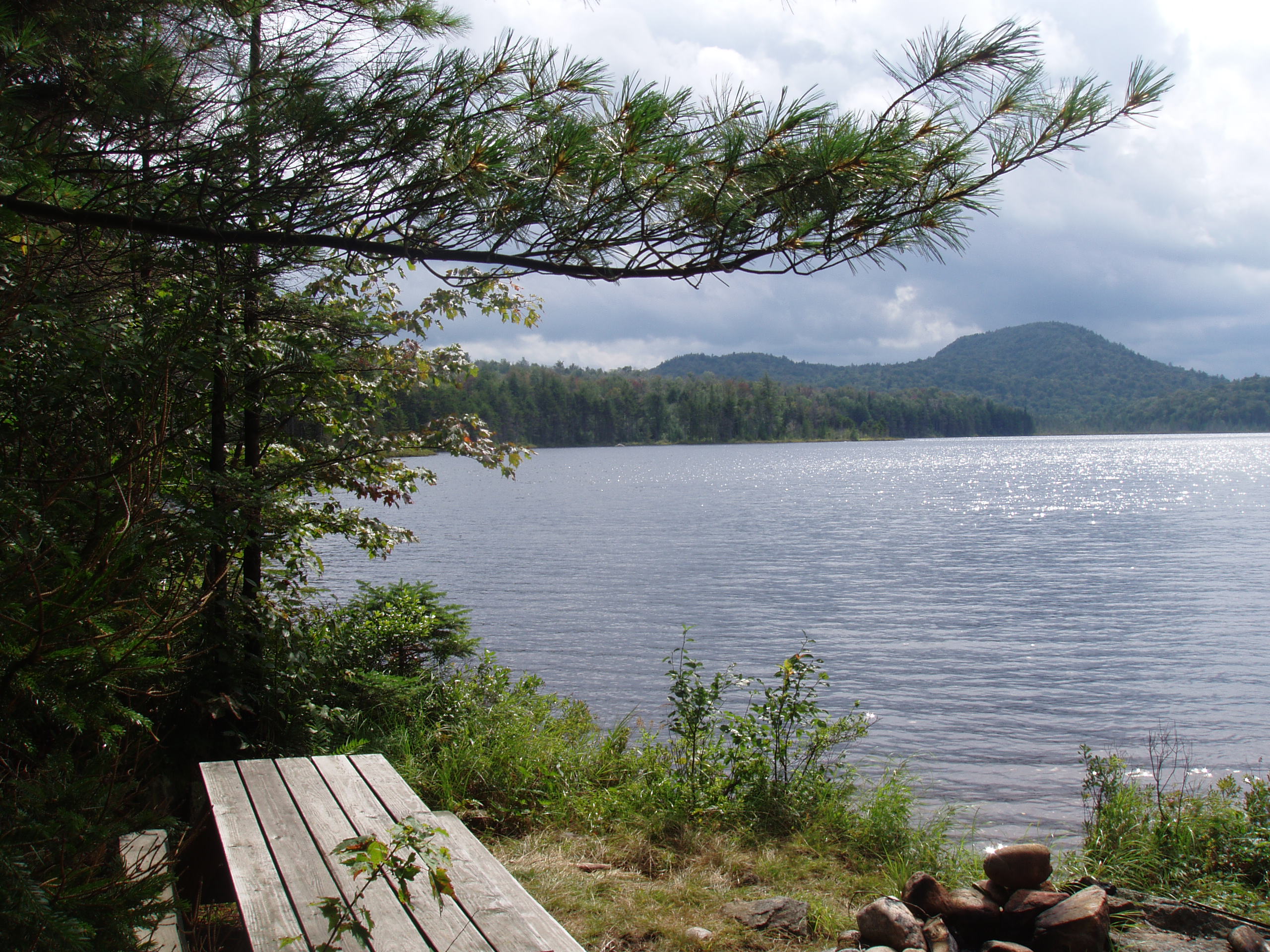
THAYER LAKE, THE BRANDRETH PROPERTY

THAYER LAKE, THE BRANDRETH PROPERTY

PREFACE — My essay, Black Spots, tells the story of my adventure at a 15,000 acre camp in the Adirondack Mountains in New York.  My partner, Kevin and I, camped, paddled, and fished in the middle of the wilderness for a couple of days with permission of the Nature Conservancy who had just purchased a portion of this family’s original tract.

                                                           BLACK  SPOTS

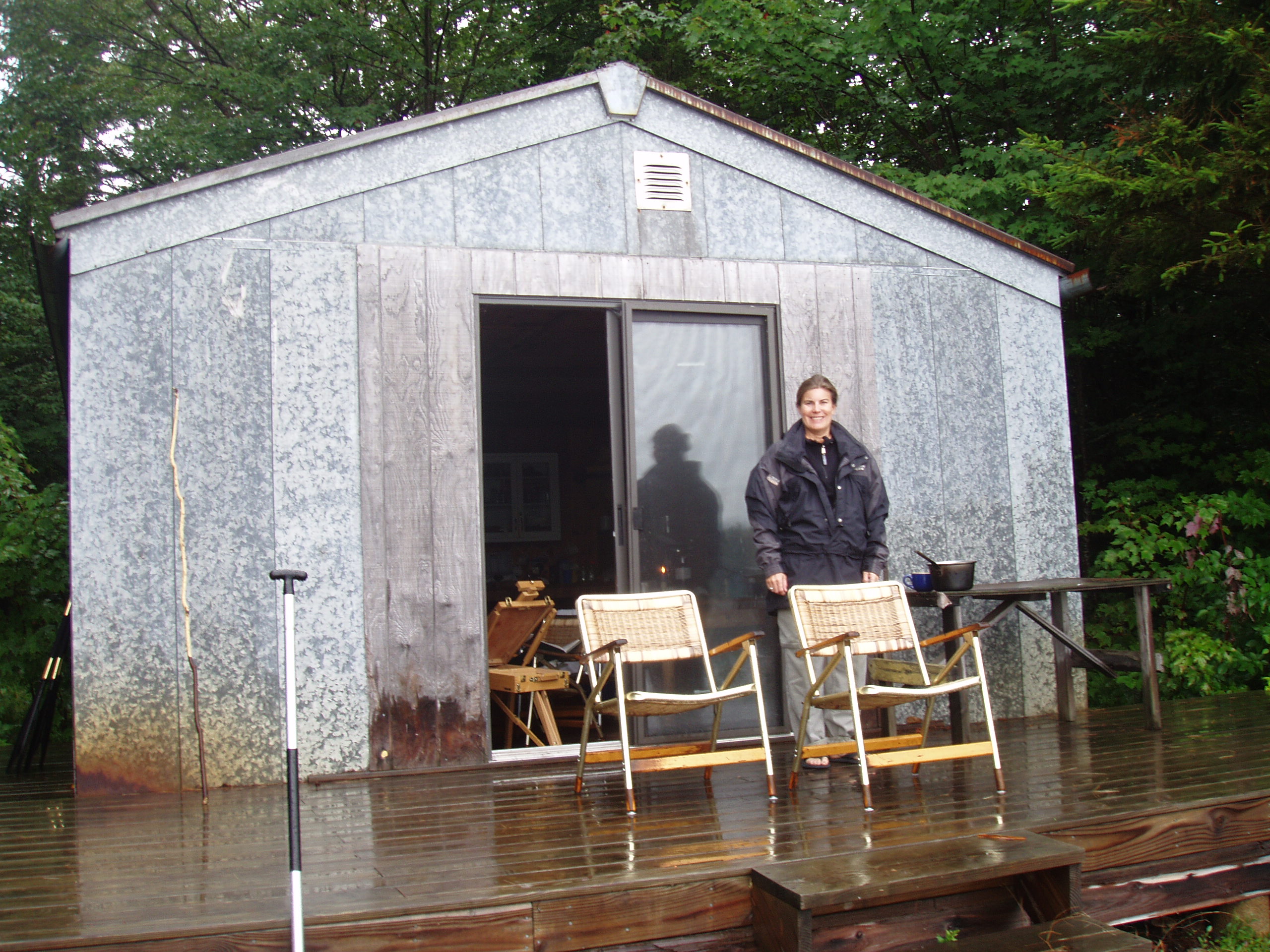
KATIE IN FRONT OF OUR QUONSET HUT

KATIE IN FRONT OF OUR QUONSET HUT

Late last August I went to the Brandreth family tract in the Adirondack Mountains of New York.  The same Brandreth as Paullina Brandreth, an early twentieth century hunting and fishing writer who wrote under the pseudonym of Paul Brandreth.  I had read her book, Trails of Enchantment, and couldn’t believe my luck when Kevin, a friend and landscape painter, invited me to spend a week there in a Quonset hut type cabin  on Thayer Lake, one of several ponds on the property.  The Nature Conservancy had recently purchased the 15,000 acre  property and they were eager to show it off.  I was to write about and Kevin was to paint the reclaimed property that had been in the same family for over one hundred years.

As we drove on the twisting private dirt road fifteen miles into the cabin, we surprised two bears who were feeding on the blackberries that were growing on the verge between the road and the woods.  When they heard our truck, they ran as fast as they could down the road, leaped into the heavy brush, and disappeared.  All we saw were two large round bear bottoms dashing away ahead of us.  People hunt bear here. The woods, thick with alders, are perfect bear habitat and difficult to see or walk through. In fact, you can’t see more than a few feet into the woods on either side of the road.

We stopped at a couple of ponds along the way, one whose water was so clear it was hard to believe that it was dead, a victim of acid rain.  Acid rain works like bleach does on fabric.  It irradiates everything: all color, design, and life. But just as the fabric looks spotless, so does the water.  Spotless and lifeless.

We passed Shingle Shanty Pond where Paullina Brandreth had had a lean-to they used for

SHINGLE SHANTY POND

SHINGLE SHANTY POND

hunting expeditions.  When you own, hunt, and fish on over 24,000 acres its nice to have shelter here and there.  I planned on kayaking its 100 acres, searching around the perimeter in hopes of finding the remnants of her camp.  Two hours after we had begun bumping and winding  up and down over the hilly woods, we arrived at Thayer Lake and our Quonset cabin.  We had expected a dilapidated, primitive structure filled with mice and spiders.  To our delight we would be living, sleeping, and cooking in a steel twenty by fifteen foot building with a pine table and matching chairs, aluminum cots with thin mattresses, two folding deck chairs, and a deck overlooking the one mile long lake.  We also had a clean, new privy 25 yards away and a barbecue pit style fireplace just off the deck, feet from the water. We had arrived in paradise.

As if it had been choreographed by a Wild Kingdom producer, two loons, a male and female, swan up to within 30 yards of our place.  As they swam they called their tremolo, “hahahahahaha” back and forth to one another and to us, we hoped.  The pair stayed for fifteen minutes yodeling and diving, dipping their heads and watching — watching us. After unpacking the truck and making our beds, we carried the red camp canoe into the water and paddled out onto the lake.  We paddled to the middle, stopped, and just sat.  Silence.  We were in it, deep in the north woods, surrounded by 100,000 acres of wilderness.  The dirt track on which we had arrived was our only way out unless we wanted to hack our way through thousands of acres of dense brushy woods so thick with dead fall, alders, black flies and mosquitoes that we would need a machete and  several bottles of bug dope.

After paddling the shore line, we decided upon a likely location for catching some small mouth bass.  We were told the lake was full of them, and so we had visions of a dinner of  crisply grilled bass, baked potatoes, and  steamed string beans accompanied by a couple of glasses of shiraz.  Since we only had one fly rod,  I had planned on doing the paddling while Kevin, an expert fisherman, did the fishing and catching.  But after a couple of casts, Kevin insisted I try, saying it was easy and small mouth bass are  fun to catch.

I am a worm fisherwoman and proud of it.  Back home on the Gunpowder River in Maryland, I catch lots of rainbow trout and brown trout on my spinning reel baited with worms dug up on the river bank. A fly rod is baited with a fly and has a much longer line than a spinning reel and rod.  One must cast back and forth and then out, making the fly appear to the fish as if it is a real insect just waiting to be caught and eaten.  I tried it  after much cajoling, and incredibly, a bass attacked my bait.

My line went out, and my rod bent over U shaped towards the water’s surface.  I had a bass.  I actually had a bass! But as I reeled it in, Kevin announced that he’d forgotten the net so I’d “just have to tire it out” before bringing it along side the canoe.  I followed his patient directions as I broke my tension with loud high pitched “oooh’s”, imploring every other second, “What should I do now”?  Miraculously, the bass stayed on and tired.  Carefully, I hauled him up and over the gunwale and into the bottom of our canoe.

I was ecstatic. I couldn’t believe I’d done it and without a net.  I wanted to try  again.   I cast sloppily, but the bass didn’t mind; they jumped onto my bait at almost every cast.  Getting them tired and into the boat was harder.  As soon as they got close to the boat, they swam away from it as fast as they could.  I had to be ready to give them line, but not too much, or they would be able to jump up out of the water and get off of the hook.  Every one of them jumped, at least once.  And every time, I squealed like a child at an amusement park.  After I had caught six and kept four, we called it quits.  We couldn’t eat more than two a piece.

As we paddled to shore, the loons called from the other end of the lake.  This time their calls sounded primordial like a bevy of ghosts wailing loudly, plaintively.  Their “hoooo-lii” echoed ten times over the water, woods, and hills, sending shivers up our  backs and raising the hair on our arms.  .

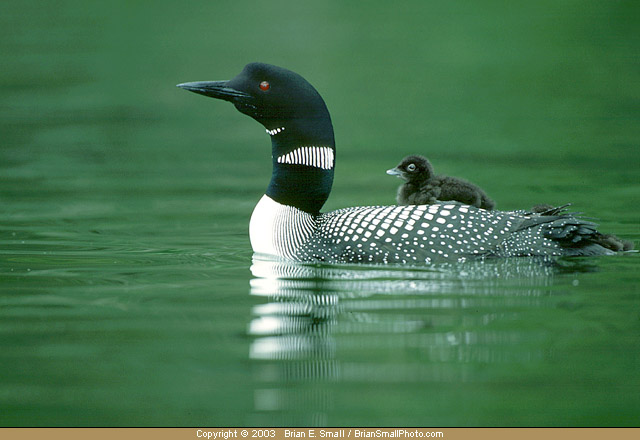
COMMON LOON WITH BABY

COMMON LOON WITH BABY

Common Loons are large birds, 32 inches long with a wing span of 46 inches.  They are described by the Audubon Society as “black-headed, with a heavy, dagger like black bill,  a white and black striped necklace, prominent white checkers on their back, and white underpants.” Their eyes are red.  They eat mostly fish, sometimes diving 240 feet  for them  and staying submerged for fifteen minutes.  Because they can stay submerged for so long, Eskimos and Native Americans thought them capable of magic.

Back at the shore in front of our cabin, we pulled the canoe out of the water and changed into fleeces and long pants.  It was chilly, about 55 degrees. I opened the shiraz as Kevin sharpened his knife.  We chatted back and forth about our day, how lucky we were to be here, such a nice cabin and no sign of mice.  We’d had bright sunshine and seventy degrees with only a slight breeze.  The water in Thayer Lake was still warm.  We could swim in it tomorrow.  The loons came floating back, looking us over quietly this time.  Kevin spread a wooden board on a flat rock and began to filet the bass.

As he cut, he explained that bass smell bad when you gut them, so he was just going to avoid that and simply filet their sides for the only meat we would eat anyway.  Why make a mess when you didn’t have to.  After cutting the filets from the first fish he stopped and looked at them closely.  “Katie, look at this.  The fish has parasites.”

I looked and sure enough hundreds of little black spots as small as the head of a straight pin dotted the meat.  “Why don’t you clean another one and see if it has any?”

Kevin did and the second one had them and so did the third and the fourth.  “I guess the whole lake is infested with them.”

I didn’t want to give up my image of wilderness camping, the image of fishing and eating our catch. “Maybe they’ll be alright if we cook them.  The parasites will die won’t they?”

“Katie we’re not eating these fish.” And we didn’t.  It’s funny how black spots in fish can change everything.

We thought we were in a pristine environment, fishing in immaculate water. Water we could

BLACK SPOT PARASITES ON FISH PERFECTLY NATURAL

BLACK SPOT PARASITES ON FISH PERFECTLY NATURAL

drink, water cleaner than we’d ever seen.  But now that notion was dashed.  Our small mouth bass had little black spots all through them.  We imagined the worst and blamed man, acid rain, and pollution. We made grilled chicken instead and sipped our wine wondering how this lake in the middle of no where could have  become contaminated with parasites.

Ironically, we were all wrong.  Humans didn’t cause the parasites. After our trip, we found out from a local Adirondack fisherman and the Michigan Department of Natural Resource’s web site that Black Spot is not man made.  Black spot is a  naturally occurring parasite that is commonly found in earthen bottomed lakes and ponds.  It has nothing to do with pollution. The parasites only infest fish with certain diets, not humans swimming in their waters. Even when a fish is heavily infested, he is no danger of dying or becoming sick.  These parasites are not harmful to humans and die when the fish is cooked.  So we could have eaten the fish, even though they looked pretty unappetizing with all those hundreds of tiny black parasites imbedded in their flesh.

Has our postmodern culture  conditioned us to believe that we are the cause of everything that seems harmful because we see the havoc we have caused in more populated places?  Well, we’re not always the cause of harm, and parasites are a natural  part of the natural world.

BRANDRETH PROPERTY

BRANDRETH PROPERTY

If being in the wilderness for a few days taught us anything about our place in the natural world, it taught us that we are a part of the whole.  We’re not the center or the biggest part or the most important part.  We’re just a part.  We don’t affect everything.  In the wilderness, we affect very little unless we bring along dynamite and heavy equipment.  Without any props, we fit right in — we aren’t too loud or too rough.  We eat and sleep and make love like everything else in the woods.  And that is what we’d come for after all– to fit in and to be a part of the wild with or without parasites.

Into the Wilderness

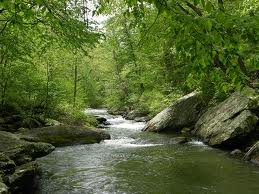
ADIRONDACK  MOUNTAIN STREAM

ADIRONDACK MOUNTAIN STREAM

Amelia M. Murray, the maid of honor to Queen Victoria, camped in the Adirondack Mountains in 1855 with the Governor of New York, Horatio Seymour, his niece, and three guides.  While on

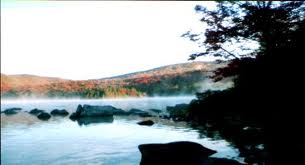
Adirondack Autumn Landscape Where Amelia Murray Hiked

Adirondack Autumn Landscape Where Amelia Murray Hiked

her five-day trip, she learned how to sleep on a hemlock bed, to bathe in Saranac Lake, and to hike sixteen miles in one day through a dense forest filled with “gigantic timber felled by storms…deep bogs and slippery rocks.”  She did all this while wearing a corset, which greatly restricted her breathing capacity, and very unsensible shoes.

Although she was a refined English lady, she carried her fair share — “a basket and a bundle.”  Throughout her diary account of the trip, she makes light of the dirt, rain, thunder, damp bedding and clothes.  She brags about her “London portable soup” which she had brought from England a year earlier and claimed was still in “good preservation” although one should “add lemons and a good store of sugar, brown and white” before eating it.  Amazing.  Her account is enthusiastic, joyous, and chatty.

She was a woman of privilege, an English lady.  Yet she was able to escape “polite society” long enough to have an adventure out of doors in the company of the genteel (the Governor) and not so genteel (the guides).  Although she writes after the trip that it took her “three days at Utica …to recruit and repose” herself, she had had a fine time and welcomed the chance to do it all again.

What is this need, this trenchant desire we have to be in the “wilderness”, to connect with the natural world?  Why would an elegant and refined lady of the 1800s who had probably never ventured much further than a stroll down an English country lane seek the untamed woods of New York State?  She sought adventure, yes, but more than that, I think.  She sought to discover a part of her that had not been tested, had lain dormant.  She wanted to test her fearlessness, her courage, her adaptability.  Normally, tests of fearlessness and courage are associated with men as men’s goals.  Men are supposed to like adventuring; they want to be tested in nature.  Isn’t that what the armed forces ads used to say, “Come see the world. Come adventuring with us.”?  But women need to be tested too. Even girls of thirteen seek adventure.

Last Sunday, my daughter Campbell announced she wanted to go fishing with me down by Cross Mill in Cross Mill stream about one and half miles away.  I thought she was kidding.  Even

Campbell, age 12, my outdoor girl.

Campbell, age 12, my outdoor girl.

though it was sunny and warm for February, 55 degrees, there were still patches of snow about, and I knew the water would be icy cold.  She persisted.   After packing an old red school backpack with a water bottle, water shoes, a towel, and a fishing rod, she pronounced herself ready to ride her bike down to the stream.  I couldn’t convince her to walk, arguing unsuccessfully that the roads are narrow and winding and in some places cars fly by at forty miles an hour. Ultimately, I agreed to her riding the bike as long as she stayed with me.  I wanted to walk.  We spent three hours walking and riding to and from the stream and playing in the water.  We waded in the frigid creek, our feet aching and numb.  We skipped rocks, looked for crayfish.  I snoozed in the sun on the brown picnic tabletop in between commenting to Campbell about her solo rock skipping contest.  On the way home, we spotted a male pheasant a few feet away, scurrying through the bushes by the side of the road.

Why had Campbell wanted to go? Did my daughter latch onto the idea of riding off with fishing rod, towel and water bottle because she needed to get away, needed to be out of doors?  Or did she want to go adventuring in order to test her mettle by  riding her bike to a place she hadn’t fished before and wading in frigid February water?  I doubt she could answer these questions or would even want to.  She’s thirteen.  She just wanted to go.

She just wanted to go like Opal Whiteley, a writer who grew up in Oregon in the early 1900’s.

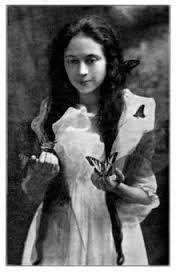
Opel Whiteley, Nature Writer

Opel Whiteley, Nature Writer

Whiteley wrote in her diary at about age seven, “I like to go in among the rushes where the blackbird s with red upon their wings do go.  I like to touch fingertips with the rushes.  I like to listen to the voices that whisper in the swamp.  I do so like to feel the mud ooze up between my toes.”  Campbell could identify with that.  This desire to connect with nature and to seek sensory experiences in it is common to most of us.   My daughter and Opal Whiteley aren’t the only young girls who’ve found adventure and joy in nature.

Hannah Hinchman, a contemporary writer and visual artist, created an enchanted world in the woods near her home when she was a teen.  She spent whole days attired in a wood nymph dress dancing among tall oaks and pines, performing rituals she had “learned “ from the woodland fairies.  She “wanted these adventures to form an unassailable world, composed only

Hannah Hinchman, out door writer and artist.

Hannah Hinchman, out door writer and artist.

of pure things.”  As she grew older she abandoned her woodland fairies and her fantastical view of nature, yet nature continues to be her solace.  “If I were about to pull the trigger and happened to hear a red-winged blackbird, I doubt that I could complete the act.”

Sometimes this desire to connect to nature becomes a pathological need, a self-medication for mental or physical illness or ordinary loneliness.  When I was enduring and battling a brutal divorce, I used to run long and often on the Panther Branch trail in Maryland.  The two mile trail curves through the woods around house-sized boulders, decaying deadfall, and foot high maiden hair ferns edging the stream and winding up to the top of a hill.  I used my runs there as therapy, going over and over all the terrible lies and injustices.  I recounted the same sad incidents and betrayals in my head; the dialogue never changed.  “He said this; can you believe it? And then he did that on top of everything else.  Doesn’t he even care about his children?”

As I ran, I ran, literally and figuratively, through this dialogue every time.  I spoke sentences, paragraphs in my mind as if I were speaking to a therapist or friend.  As I hit the chest high boulder with the red columbine I would begin my diatribe.  I couldn’t stop it; it rolled on and on of its own free will.  After the divorce was final, I still began this ugly conversation whenever I got to the red columbine boulder.  I did it unintentionally, unconsciously, until I consciously put an end to it.

Sadly, after I’d resolved my divorce and the ugly voices, I no longer wanted to go to the place.  The Panther Branch trail, which had been my solace, my comfort, my dumping ground became my nemesis, a reminder of bitterness, hurt and anger.  I felt as if I’d deposited every vengeful thought and desire in its rocks and branches and they were all there waiting for me.  I didn’t go back for years and then only occasionally.

For me, the Panther Branch became a place that was lovely on the surface but underneath was seething with unpleasantness.

Why do we attach meaning to place?  Does it make it more real, make it more our own?  I heard a psychologist say that artists are often depressed because they try to find meaning in every single thing, and when they can’t find it, they become despondent.  Most of us don’t go that far, yet most of us do attribute some meaning to place.

Places are the tangible stage sets for our happiest and saddest moments, celebrations, rituals and events. Hospital bedsides, altars, and babies’ rooms are the backdrops for life’s most poignant moments. Some cultures construct places to house these significant events – churches, burial mounds and grounds, concert halls, and court rooms. Others, like Native Americans, believe some natural outside places hold deep significance; these places contain spirits or powers that other places do not.  They are hallowed or evil, full of the universe’s energy or places of death.

Place enriches or diminishes what happens within it.  Sipping tea in front of a roaring fire is not the same as drinking tea at the local Seven Eleven store.  Place can change our mood, alter our interactions with one another in positive or negative ways.   Having a conversation in a basketball court or in a room full of whining children is not the same as having a conversation beside a woodland stream or in a quiet, candle lit room.  “Place subtends and enfolds us, lying perpetually under and around us.  Place…is the bedrock of our being-in-the-world,” writes Edward S. Casey, author of  Getting Back Into Place.

I just came back from spending two days in New York City.  I love New York.  I love its

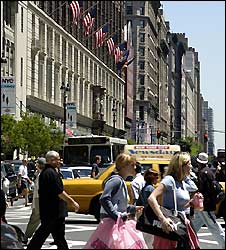
Manhattan Street Scene

Manhattan Street Scene

overabundance.  It’s so full of everything human, overflowing with everything people make. Art, buildings, fashion, food, noise, dirt.  People are everywhere.  On foot, in cars, on bicycles — talking, driving, and honking.  Walking around the city is like walking a human obstacle course; you are blasted with people, color, and noise — snippets of intimate conversations, a man on a space age motorized walker rolling along the sidewalk, pigeons under foot, shop window after shop window stuffed with every conceivable and inconceivable object.  Food markets, their cases over laden with hundreds of cheeses, ten types of proscuitto, twenty pates, truffles, black or white, sauced or canned, marinated or plain. The stimulation becomes overwhelming; the noise eventually becomes too noisy and then it’s time to go home.

After 48 hours of being high on the over-stimulation, I crashed and felt like Amelia M. Murray.  I needed three days at home in the woods in rural Pennsylvania “to recruit” myself.  Just like Murray, I wanted an adventure, a taste of the unfamiliar.  And when it was over, I wanted to repose — in my own place.