Aging Parents

Saying Goodbye

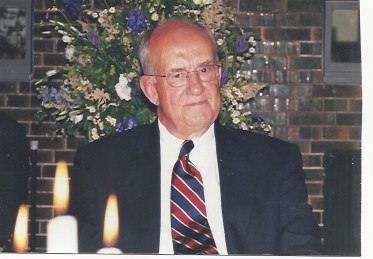
Dad Pic 6

It’s impossible to summarize a person you’ve known for 64 years into a short essay or biography. So after many weeks of thinking and making notes, this is a glimpse into thewonderful, loving man, I called dad or daddy depending on the occasion or situation.

My dad loved life, mostly everything about it. He loved people, anything to do with people. Playing golf, squash, poker and gin, selling rods and wire, serving on boards and committees, and eating, drinking and laughing with his family and friends. He was full of life, affectionate, robust, and warm. And until the last couple of years, always, always, always positive.

My dad called and visited people in need regularly, sometimes for years. Some of these people were sick or lonely; some were friends and some acquaintances. My dad empathized with them all, even though his life was mostly a charmed one, free of pain and sickness until the last few years he was here.

My dad loved nature. He told me not so long ago that when he was a teen, he used to walk up to South Mountain from his home on Union Street in Allentown. He’d walk alone all Sunday with a backpack filled with sandwiches, cookies, water, and fruit. He said he just wanted to be in the woods and away from the city. He just wanted to be.

My father’s love of fishing was all about being. Being on the water or in the water. Saltwater fishing from one of his boats or surf fishing on the beach or fresh water fishing by a stream or on a lake. When he was in college in fished with roommates on a lake in Maine rubbing motor oil all over his face and arms so that the swarming blackflies couldn’t get through to his skin. He liked adventure.

My dad was a fun and funny dad. He taught me to dance when I was two or three, cheek to cheek, holding me in his arms, and twirling me around. Later when I was six, he taught me how to jitterbug. He was a great dancer. He was also a tickling, chasing, hide and seek game playing dad. Roughhouse was one of our favorite games, even though I usually ended up with a bump on the head or a bruised knee or shin. My father never said ‘no’ when my brother or I asked to play. Our dad was a ‘yes’ dad until we became teenagers.

As we grew up, my dad made alone time for each of us children. He took me out to dinner here at Saucon Valley or later at Tio Pepe’s or Libertores in Baltimore. We continued those dinners until a couple of years ago. In fact, our last alone dinner at Saucon was in the Men’s Grill. I remember that evening thinking ‘I wonder if this will be our last time here together.’ It was.

My dad and I were big talkers. One evening, we talked for three hours straight over the phone, each of us with our drinks – dad with his Gordon’s and me with my wine. My mother finally stopped us asking, ‘how can you two talk for so long?’ My dad replied, “If Katie and I were driving cross-country, we’d never run out of things to talk about.” And we never did.

And lastly, I can’t end this piece without saying how incredibly funny our dad was. He could see the humor in absolutely anything. He was a real jokester. Whether it was knocking me overboard when we were fishing, or driving crazily as we water-skied and of course fell down, or hiding my mother’s stuffed mouse from taxidermy class in my bed, or rattling the bathroom doorknob as I was showering in my teens and me screaming every time, “don’t come in” – he was there smiling and laughing in delight. My dad was a happy man.

Now after two plus years of being really sick, my dad is once again safe and sound, strong and laughing. He is with his Mary and all of the others who left before him. Some mornings, as I leave my dreams and float in that middle space between dreaming and waking, I remember my dad is not here. Then I think – he is okay. He is home. I smile and say to myself and to him, I love you, Dad.
Observing Old Age

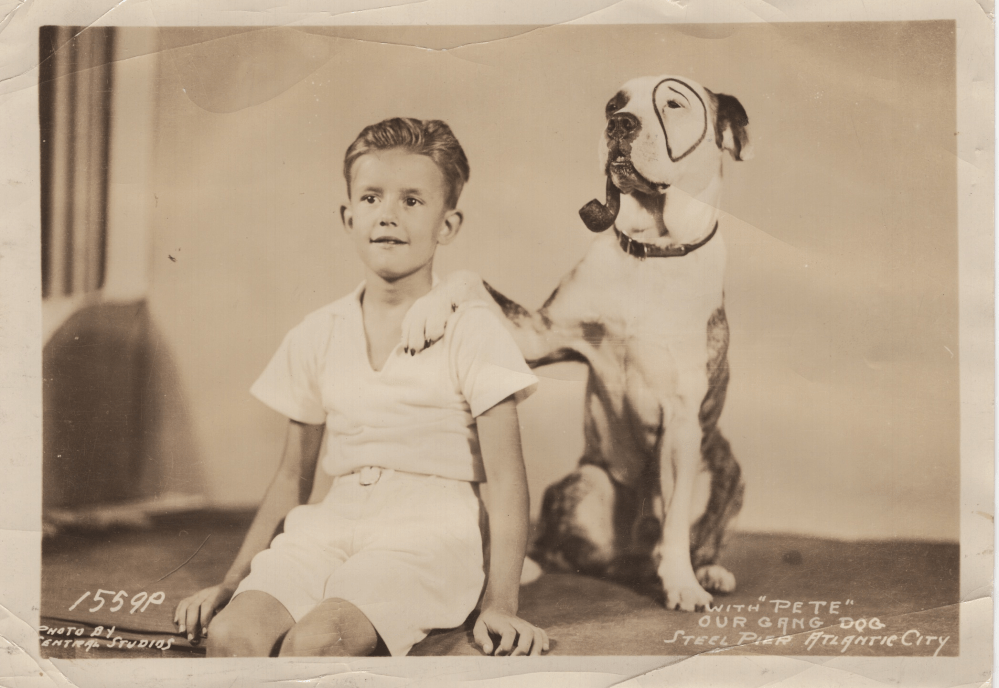
daddy-with-dog

Dad — Age 7 with Pete from Our Gang, Atlantic City — 1936

My dad thinks he’s James Bond. His Honda Accord license plate reads ‘007’. He’s 88 and uses a cane except when he forgets it because he’s feeling more like he used to at 80. I’ve learned over the past year to see my dad as a man who is finding his way on this last part of the trek, this last adventure that is his personal Mt Everest. It’s tough to get old and sick and lose your physical power. It’s hard to watch your parents age.

They aren’t the parents you grew up with. In many ways, they’re strangers who you’re getting to know all over again. Some say we children switch places and become the parents. For me it hasn’t been that simple. My dad is still my dad in some familiar ways. He still calls and gives me instructions and advice. Sometimes he makes a joke, something he used to do all the time.

And yet, my dad is not my dad. He isn’t as light and funny as he was for the first sixty years I knew him. He complains a lot about the food and service at his upscale retirement community, about the many doctors and medical persons he sees every week, about his lack of energy and general shittiness, although he would never uses that word. He’s mostly miserable and before he wasn’t.

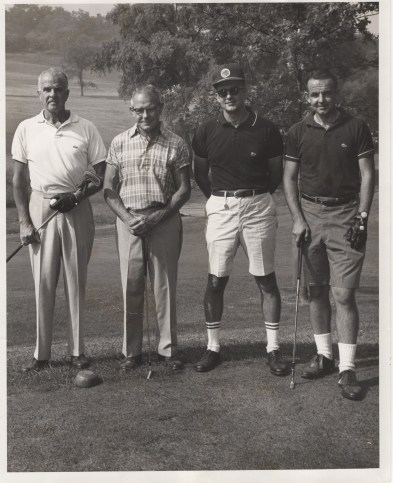
dad-in-his-forties-only-one-in-hat-and-sunglasses

Dad in sunglasses, age 45

Cancer sucks at any age. Even when you’re old and figure you’ve got to get something before you go. It’s tough to watch; it’s tough to stay afloat whether you’re the sick or the well one. It’s impossible to find a pattern or routine in illness. It’s guaranteed to take you on a helluva ride. A ride you can’t control or stop or manage or laugh at (except sometimes).

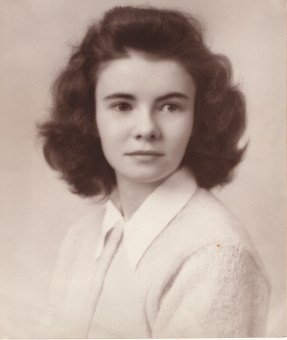
mom-age-14

Mom –age 14

My mom died three years ago at 85. She went from playing 18 holes of golf to dying in 4 short horrible months. My mother said good-bye to each of us. She looked us in the eye. She wrote us letters. She said she was ‘ready to go’. From beginning to end, she was totally aware of where she was and what she wanted. She made it as easy as something heart-breaking can be.

My dad’s a fighter. He blocks anything that he doesn’t want to see. When he was diagnosed with blood cancer six years ago, he never told anyone including himself. It worked. He’s survived two years longer than most. He never spoke of being terminally ill or being at the end of his life until a few months ago. And when he does speak of it, he is scornful and       angry that his life has come to this. He can’t believe it.

My dad wakes up every day and thinks about how he can stay, not leave. He makes daily phone calls to doctors and physical therapists asking how he can feel better not worse. He doesn’t like to use a walker; it makes him think he’s old and sick like most of the people he lives with.   His days revolve around calling and visiting doctors’ offices and contacting business offices, even though I now take care of managing and paying the bills. He’s a man on a mission who takes a nap every afternoon so he’s ready to go out most evenings with his friends. He complains. He’s laser-focused on himself. He won’t stop fighting until he can’t swing another punch.

My observations thus far? You can get old and sick peacefully or not. You can decide whether to accept your reality or create another. In the end, you can be grateful or ungrateful. You can focus on yourself or others. You can complain or find the positive. We decide how we want to go. We even decide whether we want to know we’re going.

Old age is hard. Old age and illness even harder. Can we make this last journey the way we want to? Yes and no. Maybe and maybe not. It all depends.     

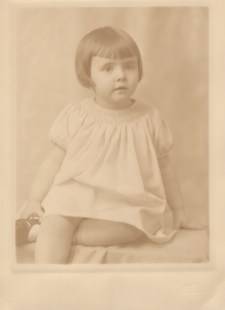
mom-age-3-copy

Mom — Age 3

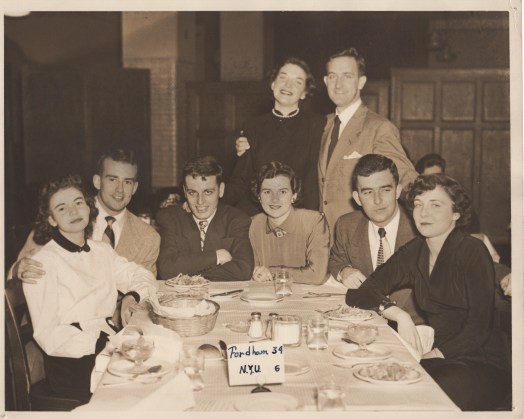
mom-and-dad-revised-college-years-copy

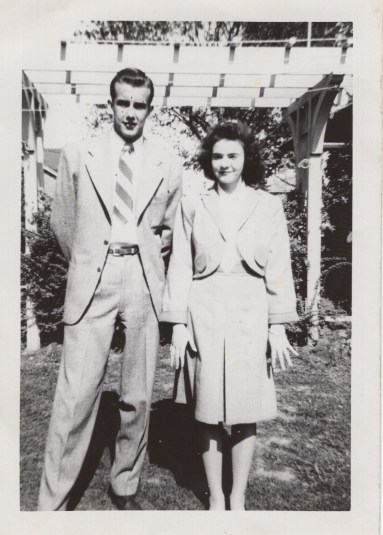
Mom and Dad — Far left couple, college years

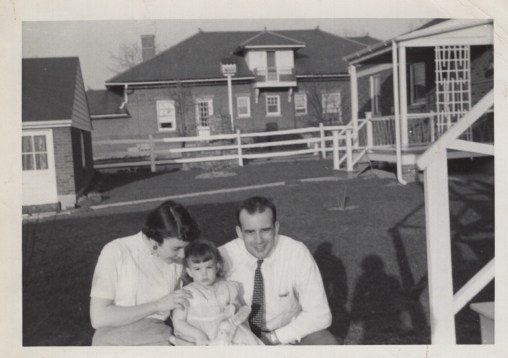
revised-mom-and-dad-age-25-with-me-copy

Mom, Dad, and Me

mom-and-dad-revised-high-school-sweethearts-copy

Mom and Dad — High School Sweethearts

Packing Up

img_0545

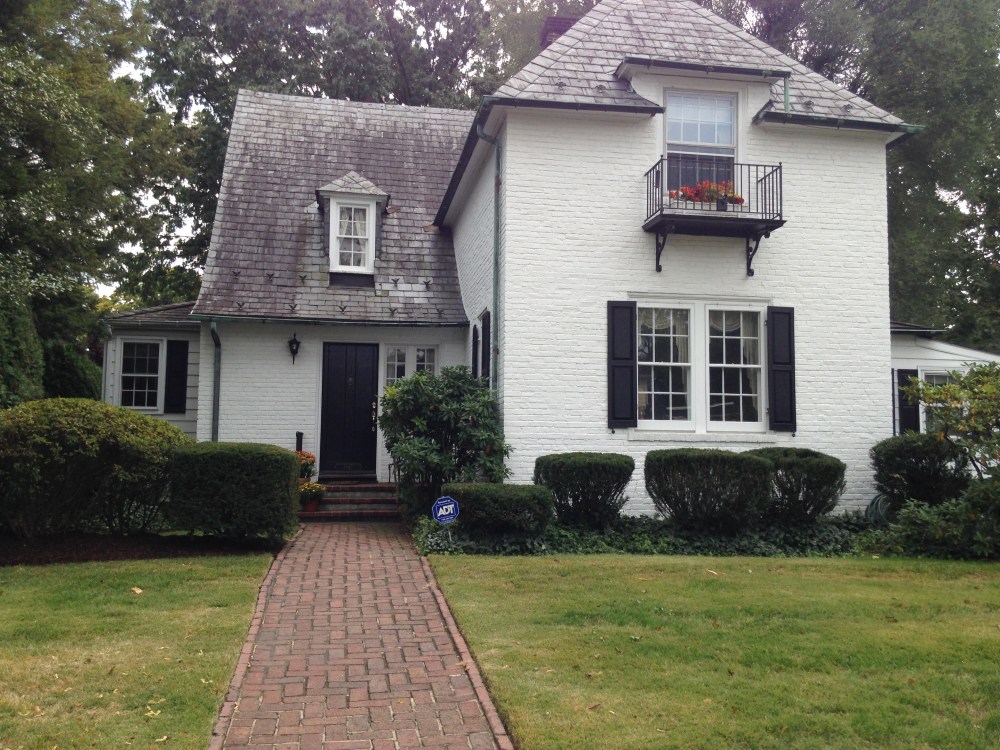
Paul Avenue

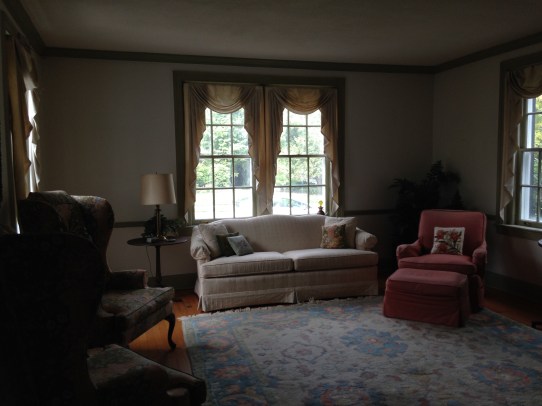
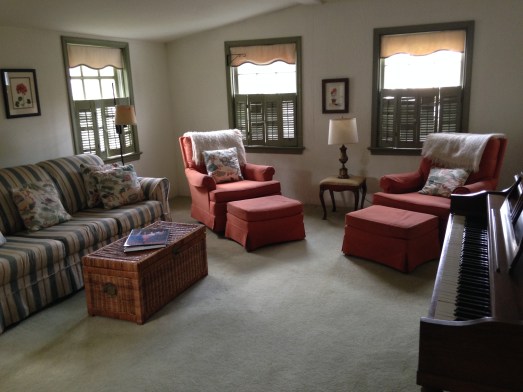
Everything was old and tired and worn. The chintz on the wingback armchairs was split and the green background in places had faded to near white. The small Art Deco vase that had sat forever on the Queen Ann table was chipped. The off white silky drapes hung limp; gray dust shadowed their folds. The house smelled old and empty and untended.

I sighed and thought how everything in my childhood home looked exactly as it had 35 years ago, only totally spent. It was surreal. It was strange. And, it was weird. It looked as if my parents had up and left one day leaving everything in its place, as if they would return in a short time. They didn’t.

My mom had died two years earlier. My dad was in their Florida condo and was too ill to help me. He said even if he was well, he just couldn’t bear to do it.

I was there to pack up.  I felt the hook in my chest, the tension headache coming on, so I breathed in deeply and exhaled slowly, just like I do when I’m practicing yoga. Packing up. Packing up, I kept thinking. How can I do this? It’s too much: too much to deal with emotionally and physically.

A 3,000 square foot house lived in for 60 years and packed, and I mean packed. Packed to the gills. Every drawer, closet, and room contained stuff. Every empty nook was filled. The basement rafters and crawl spaces were jammed full of old bent curtain rods, dirt covered Lionel Train boxes, paint cans, plastic covered fabric from the sofa slipcover back in 1963. You get the picture.

And then there was the emotional part. My mother had loved this house on Paul Avenue, poured herself into its appearance and decoration. This was her home. This was the last physical expression of whom she was that I would experience. And I was in charge of taking it apart.

img_0499

Our Living Room — Unchanged for 35 Years

Every object, painting, chest, table, piece of crystal or china had been chosen and placed by my mother’s eye and hand. She’d created the still lives on the tabletops, the bookshelves, and the mantel. As I walked from room to room, I remembered when we’d driven to Lahaska, Pa to look at the 19th century chest in the dining room. I remembered learning to dance the jitterbug with my dad in front of the 1950’s oil painting of the bridge covered woodland stream. Now two years after her death, the dried pomegranates she’d arranged in the silver bowl five years ago sat dust covered in the center of the dining room table. The dozens of family photos sat crowded together on the piano as usual. Memories leapt out of everything. Pictures, movies unreeled in my brain. I grew up here, was happy and sad here, argued and laughed here.

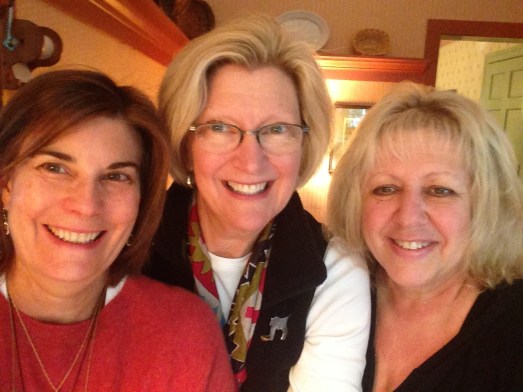
Fortunately for me, I wouldn’t have to pack up all alone. My two childhood friends, Cheryl and Fran, helped me a lot. We spent whole weekends together. My partner, Kevin, came several times helping me to make decisions about what to keep and what to toss. My twin 24-year-old daughters helped too. And through the relator, I had the help of the dismantling-sixty-years-of-stuff expert, Nancy. Taking apart my mother’s home took 10 weekends of cleaning out and packing up.

img_0610

Rosemont Mini-Skirt Mob

It was hard, really hard especially that first weekend. By the end, I’d hardened. I’d become an expert at throwing away without remorse. I threw away the three dozen framed photos on the piano. We all had these pictures in our own homes. I even threw away the hundreds of photos of long dead ancestors. No one had any idea who they were. Chipped crystal and china that my mother had loved so much she’d kept the damaged ones, I tossed without a pang. Dirty, faded crewel pillows I’d embroidered for my mom 40 years ago, into the Hefty bags they went.

We recycled what we could. Old towels and sheets went to the animal shelter. Dr. Clutter, a recycling company, picked up three truckloads of stuff.  Weekend by weekend, Paul Avenue changed from being somehow my mother and my mother’s home to a house. A pretty 1920’s painted brick house with a slate roof and the original cooper gutters. A very desirable house to old house lovers according to the dismantler, Nancy and the realtor, Barb. As my friends, daughters, and I cleaned out and packed up together, we reminisced. Rooms and objects brought up old stories, some we’d forgotten until then. Yes, the house was packed with a mountain of stuff, but it was packed even more with our memories.

On those packing-up weekends, I was a teenager once again, laughing with Cheryl and Fran about sleepovers, remembering the dinner parties my mother made for our group of six girlfriends. My twin daughters, Anna Lou and Campbell, and I talked about the weekends spent with my mom and dad at the pool or the golf course. We laughed about how Anna Lou had peeled the wallpaper off of the bedroom wall during her nap. (I’d thought my mom would be really upset; she wasn’t.) As we packed up the kitchen, Campbell reminded us of my mother baking blueberry pies and never being too busy or too tired to make French toast or sit at the kitchen counter and play a hand of gin.

I realized dismantling my mom’s house wasn’t getting rid of my mom or my dad or my life. I realized we were dismantling a place that was once beautiful and interesting and meaningful – and now it wasn’t. Just because it was gone didn’t mean it was gone in my imagination. I could be right back in our living room or kitchen or my childhood bedroom, anytime I chose.

img_0500

My Parent’s Den and Their Two Chairs

I realized too, that family traditions and rituals go on. We still have my mom’s blueberry pie and special muffins every time Campbell bakes them for us in my mom’s muffin and pie tins. I use my mom’s sterling forks, knives, and spoons in our home now. She’s with me at every meal. Anna Lou wears my mom’s gold scallop shell locket and remembers long heart-felt talks with her Nana about what’s important in life and how to see the world as a place of love and beauty and possibility.

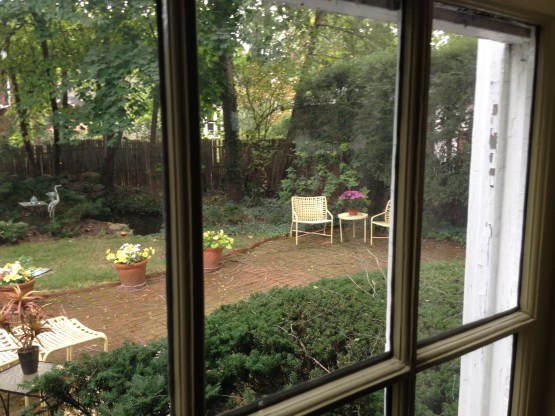
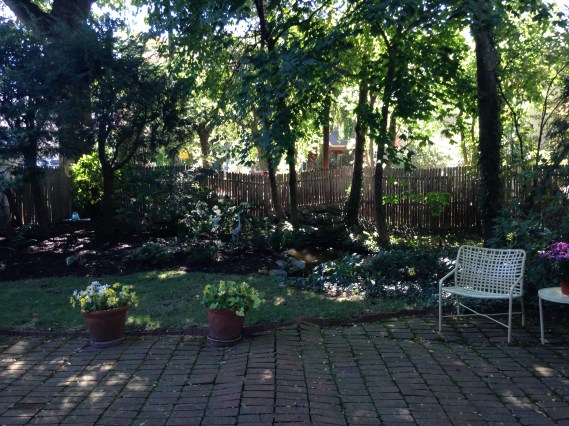
Paul Avenue sold on the first day it was on the market – we had five contracts, most over the asking price. A young woman bought it. She fell in love when she walked into the dining room and looked out its many windows to the sweet brick patio and original fishpond surrounded with hostas, rhododendrons, and hemlocks. The same view my mom had fallen in love with sixty years earlier. A circle.

img_0542

My Mother’s Favorite View

Now, many months later, I consider my stuff and begin clearing out. I’m reading Paris In Love, a memoir by romance novelist and English Lit professor, Eloisa James. She packed up and cleared out most of her stuff after she recovered from breast cancer. I’m also reading The Life-Changing Magic of Tidying Up by Marie Kondo.   I totally get why clearing out makes you feel lighter and freer. I totally get why some stuff is a burden and some stuff isn’t. It seems to me that stuff has a shelf life. When it’s expired, pack it up.

img_0568

The Fish Pond and Patio